
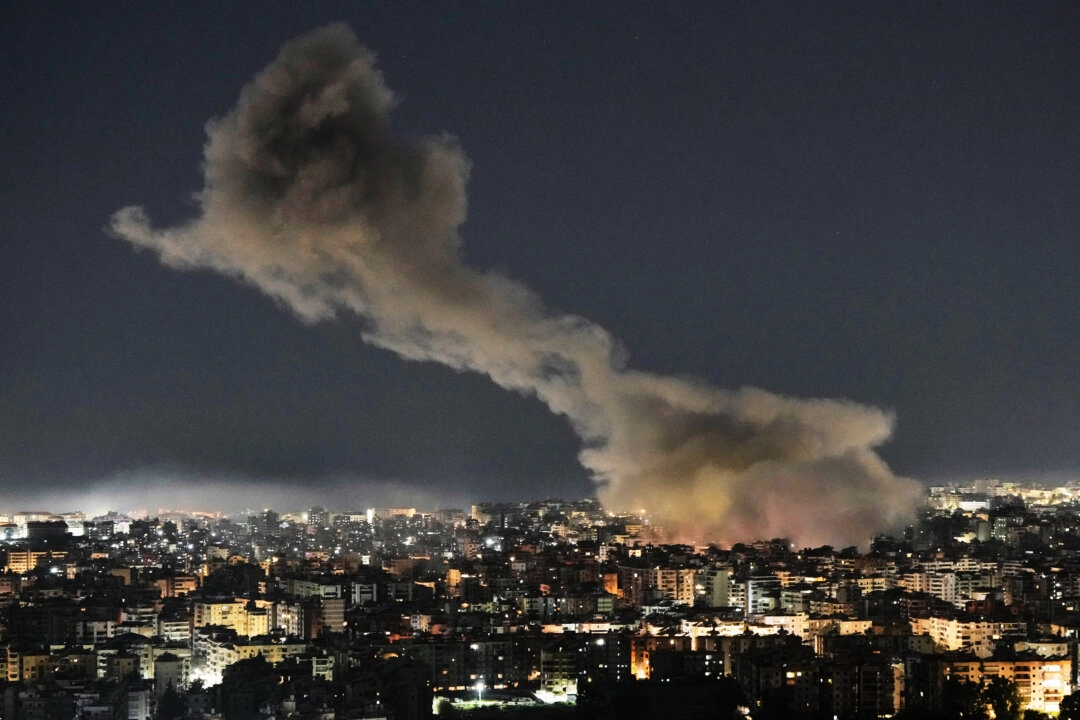
In the rapidly evolving landscape of global conflicts, the ongoing war involving Iran, the United States, and Israel has captured worldwide attention. TinHN provides a comprehensive overview of Iran war news today, detailing the sequence of events day by day, key military developments, international reactions, and potential implications. Stay informed with the latest Iran war updates, including casualty figures, strategic analyses, and economic fallout.
- Dubai News Today: Latest Updates on Tensions, Flight Resumes
- Cuba News Today 2026: Major Blackout, Regime Change, Crisis
Iran war news – Latest updates from Reuters
The fragile ceasefire in the U.S.-led war with Iran has faced severe strain following a series of intense, tit-for-tat military escalations across the region.
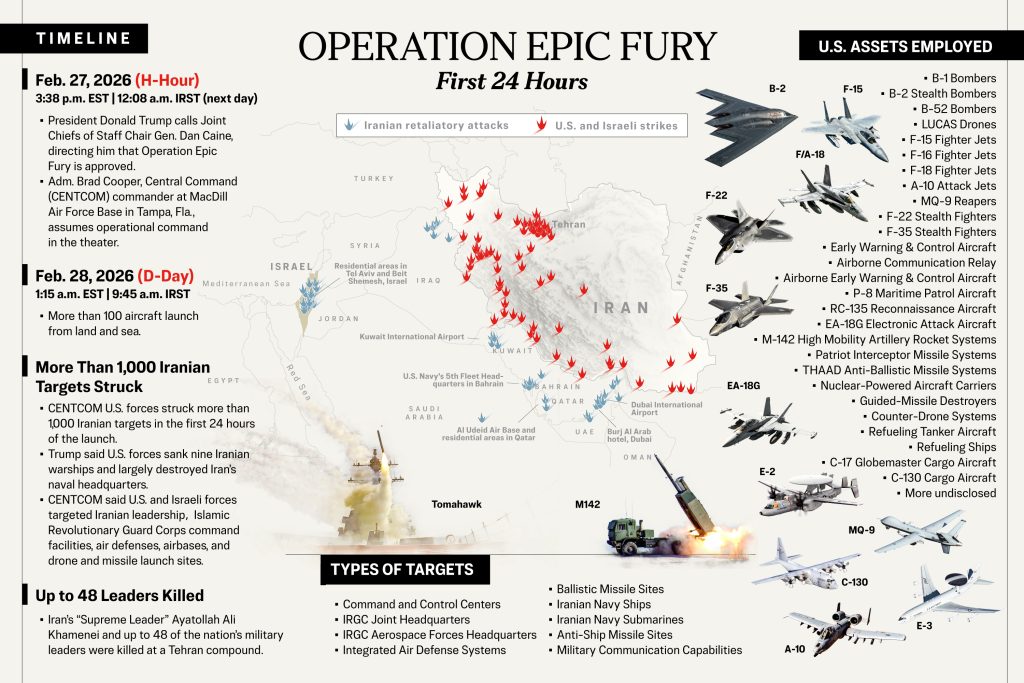
This detailed report draws from verified sources to offer an in-depth timeline. The conflict, codenamed Operation Epic Fury by the U.S. and Operation Roaring Lion by Israel, began as a targeted campaign against Iran’s leadership and military capabilities.
Iran war news – Latest updates from Fox News
Watch the latest updates of Iran war news from Fox News:
Iran war news today – Live updates
Stay updated with the latest developments in the Iran conflict. We provide comprehensive coverage, including military updates, strategic analysis, and regional diplomatic shifts as they happen.
- Iran war cost is now at least $43.6 billion, U.S. Central Command says The Washington Post
- Palantir AI Technology Played Role In Iran School Bombing: Report Yahoo
- Oil prices are high but could be much worse. Trump has China’s Xi to thank for that AP News
- More US troops killed in Iran war than Pentagon has acknowledged — report The Times of Israel
- Report: More US troops have died in Iran war than Pentagon says Al Jazeera
- Iran war live: Trump extends sanctions on Iran, Houthi supporters in Sanaa Al Jazeera
- Death-row Iran protester denied hospital treatment, family says Iran International
- Trump tells NewsNation ‘we’ll see’ on whether to ‘annihilate’ Iran NewsNation
- Iran claims it struck an oil tanker in the Strait of Hormuz, and other Mideast developments AP News
- Iranian women defy law and run Tehran race without hijab Al Jazeera
- Trump says ‘anything could happen’ in US-Iran war ahead of meeting with Gulf leaders foxnews.com
- More U.S. troops have died amid Iran war than Pentagon has disclosed publicly The Washington Post
- Iran War Updates: 2 ships attacked in Strait of Hormuz as Trump says next move could be to "annihilate" regime CBS News
- Houthis Say Saudi Arabia Targeted Yemen With 26 Strikes In 24 Hours NDTV
- Iranian conscripts in Canada say they're facing deportation threats over terrorist designation – CBCIranian conscripts in Canada say they're facing deportation threats over terrorist designation CBC
Middle East crisis and oil impact
Real-time alerts on the Iran war and the escalating global energy crisis. Get instant updates on oil supply disruptions, surging fuel costs, and international efforts to stabilize the markets as the conflict reshapes the global economy.
- China's oil stockpile helped blunt Iran war price shock ahead of Trump-Xi talks India Today
- Oil prices are high but could be much worse. Trump has China's Xi to thank for that KIRO 7 News Seattle
- Europe Hit by Saudi Oil Cuts Tied to War Bloomberg.com
- Iran war drives motor oil price fears as Minnesota gas hits $4.47 5 EYEWITNESS NEWS
- Iran war's cost grows to $43.6 bn, weapons bill hits $28.1 bn: US military Business Standard
- ‘We simply don’t know’: JPMorgan scraps oil baseline as Iran war pushes crude above $100, diesel hits record Bilyonaryo Business
- Heating oil costs rising 31% this winter due to Iran war qz.com
- Iran claims it struck an oil tanker in the Strait of Hormuz, and other Middle East developments AsiaOne
- Oil tanker hit over ‘illegal attempt’ to cross Strait The Nightly
- The Iran war is minting new one-day millionaires: oil tankers brave enough to sail across the Strait of Hormuz Fortune
Current Status of Iran-USA-Israel war
The conflict between the United States, Israel, and Iran—which began in late February 2026 following US-Israeli strikes that killed Supreme Leader Ali Khamenei—remains active and volatile.
1. Operational & Military Status
- Resumption of Strikes: Following a brief, fragile pause in combat operations, direct exchanges resumed. The U.S. military has launched multiple waves of airstrikes against Iranian infrastructure and missile sites. In response, Iranian forces and regional proxies launched ballistic missile and drone salvos targeting U.S. facilities (including bases in Jordan and Iraq).
- Imminent Joint U.S.–Israel Operations: Reports indicate that the United States and Israel are coordinating plans for significant joint air campaigns targeting Iranian energy infrastructure, potentially marking a full re-entry of Israeli combat sorties into the active operation.
- Regional Involvement: Regional strikes have impacted multiple Middle Eastern nations. U.S. forces, alongside Saudi Arabian military units, recently conducted targeted strikes against Iran-backed militia targets in Iraq following attacks on Gulf oil facilities.
2. Maritime Security & Waterway Blockades
- Strait of Hormuz: Maritime traffic through the Strait of Hormuz remains severely restricted. Iranian forces continue attempting to enforce maritime restrictions and target tankers under U.S. escort.
- U.S. Naval Blockade: The U.S. Navy maintains an active blockade, interdicting, disabling, and redirecting commercial and military vessels linked to Iranian supply lines.
- Red Sea Escalation: Houthi forces in Yemen have expanded operations, declaring blockades on Saudi-linked shipping through the Bab el-Mandeb strait.
3. Diplomacy & Political Context
- Collapsed Truce Negotiations: Diplomatic efforts—including talks mediated by regional partners in Oman, Qatar, and Pakistan—have struggled to hold. While an interim memorandum of understanding briefly paused hostilities, major issues regarding Iran’s nuclear program and waterway transit remain unresolved.
- Global & Economic Impact: The United Nations Secretary-General has warned that the war is escalating into a major driver of global economic and energy instability. Disruptions to energy production and shipping corridors continue to cause significant volatility in international oil and financial markets.
Key Milestones of the 2026 War
The conflict has moved incredibly fast since the initial strikes in late February.
- February 28, 2026: Operation Epic Fury Launched
The U.S. and Israel launched massive, coordinated joint airstrikes (nearly 900 in the first 12 hours) targeting Iran’s nuclear infrastructure, ballistic missile programs, and top leadership. Iran’s Supreme Leader, Ayatollah Ali Khamenei, was killed in the opening hours of the campaign. - April 7–8, 2026: First Ceasefire Declared
After over five weeks of devastating conflict and widespread regional escalation (including exchanges between Israel and Hezbollah in Lebanon), an interim ceasefire mediated by international partners went into effect. - June 17, 2026: Signing of the MoU
U.S. and Iranian representatives signed a Memorandum of Understanding (MoU) establishing a 60-day framework to negotiate a permanent end to the war and formally reopen the Strait of Hormuz. - July 6–7, 2026: Resumption of Hostilities
The truce collapsed after Iran attacked several commercial ships in the Strait of Hormuz in an attempt to enforce its own transit protocols and collect fees. In response, the U.S. resumed heavy airstrikes, and President Trump declared the ceasefire officially “over”.
Strait of Hormuz Situation
The Strait of Hormuz—the narrow waterway separating Iran from the Arabian Peninsula through which roughly 20% of the world’s petroleum passes—remains a major active friction point in the ongoing U.S.–Iran conflict.
1. Current Operational Breakdown
- Blockade Dynamics: Following the breakdown of the June truce, Iran’s Islamic Revolutionary Guard Corps (IRGC) reinstated severe restrictions on transit through the strait, targeting vessels tied to the U.S., Israel, and their regional partners.
- Naval Counter-Operations: The U.S. Navy and regional partners have conducted escort missions and designated safe transit lanes through Omani territorial waters to maintain maritime flow.
- Disruption Tactics: Threat factors along the strait include naval sea mines, GNSS/GPS spoofing, and asymmetric attacks via fast-attack craft and anti-ship drones.
2. Shipping & Humanitarian Impacts
- Stranded Shipping & Seafarers: The UN International Maritime Organization (IMO) estimates that thousands of seafarers aboard hundreds of commercial vessels remain stalled or stranded across the Persian Gulf due to security advisories.
- Environmental & Ecological Warnings: Marine scientists have warned of a severe “bio-invasion threat” as prolonged idling of over 1,500 merchant ships in the Gulf leads to heavy hull fouling, threatening global marine ecosystems when operations resume.
- Insurance & Freight Spikes: Maritime insurance premiums have surged, causing major global shipping lines to reroute tankers around the Cape of Good Hope, adding significant lead times and cost to international freight movement.
3. Diplomatic & Legal Disputes
- Transit Passage vs. Innocent Passage: Iran argues it retains the right under domestic legal claims to suspend passage to hostile combatants, whereas international bodies maintain that the strait remains open under customary international law governing strategic maritime straits.
- Stalled Negotiations: Multi-party talks in Pakistan aimed at formalizing a permanent reopening mechanism and demilitarized shipping corridor have repeatedly halted due to broader regional security developments.
Iran Leadership Now
The political landscape in Tehran underwent a tectonic shift following the outbreak of the war on February 28, 2026. The assassination of longtime Supreme Leader Ali Khamenei during the opening salvo of the conflict forced a rapid, high-stakes transition of power.
Today, Iran’s governance is defined by a younger, deeply hardline Supreme Leader coordinating alongside pragmatic negotiators trying to manage the economic fallout of the war.
1. The Supreme Leader: Mojtaba Khamenei
Following his father’s death, Seyyed Mojtaba Khamenei (born 1969) was officially elected by the Assembly of Experts as Iran’s third Supreme Leader.
- The Transition: Long considered a powerful figure operating in the shadows (often nicknamed the “Phantom of Tehran”), Mojtaba was rapidly elevated to stabilize the regime during the military crisis. He holds the absolute final say over all state, military, and foreign policy matters.
- Current Status: He was wounded in the initial strikes that killed his father and has not appeared physically in public since the war began. However, he remains highly active behind the scenes. Just this week, a written message from him was read at the annual commemoration of Ayatollah Khomeini’s death, declaring that Iran had dealt a “decisive blow” to its enemies.
- Stance on the War: He maintains an unyielding, hawkish position. Intelligence reports indicate he recently rejected several de-escalation proposals, demanding that Western powers lift all major sanctions before Iran permanently halts its military posture.
2. The Presidency: Masoud Pezeshkian
Masoud Pezeshkian remains the President of Iran, serving as the head of the executive branch and managing day-to-day governance under the Supreme Leader’s oversight.
- The Balance: As a political moderate/reformist elected in 2024, Pezeshkian represents the more pragmatic face of the government.
- Current Role: Alongside Foreign Minister Abbas Araghchi, Pezeshkian is heavily involved in back-channel diplomatic calls (such as recent summits with Asian and European intermediaries) to find a viable off-ramp for the war and salvage the collapsing domestic economy, which is currently reeling from 77% hyperinflation.
3. The Power Broker: Mohammad Bagher Ghalibaf
Parliament Speaker Mohammad Bagher Ghalibaf has emerged as one of the most influential figures in the current crisis, bridging the gap between the military elite and civilian governance.
- Economic Strategy: Ghalibaf is a former Islamic Revolutionary Guard Corps (IRGC) commander. On May 17, Supreme Leader Mojtaba Khamenei appointed him as Iran’s Special Representative for China Affairs, granting him an unprecedented level of executive authority.
- The Mission: Ghalibaf has been bypassing traditional bureaucratic channels, directly convening the Central Bank governor and key economic ministers to coordinate survival policies with Beijing. While ideologically hardline, he supports a pragmatic deal to end hostilities if it successfully secures Iran’s core economic interests.
4. The Military & Security Apparatus
Because of the ongoing state of conflict, the IRGC General Staff holds massive sway over domestic security, enforcing strict crackdowns on internal dissent and directing proxy actions across the region. However, they are entirely subservient to Mojtaba Khamenei, who spent decades building deep, personal ties within the IRGC’s intelligence and internal security wings before ascending to the leadership.
Key Events Timeline: The 2026 Iran War
| Date | Event | Details |
| 02/28/2026 | Outbreak of War (Operation Epic Fury / Roaring Lion) | The U.S. and Israel launch a massive, coordinated surprise aerial campaign striking military infrastructure, nuclear sites, and command centers across Tehran. Supreme Leader Ali Khamenei and multiple high-ranking officials from the Supreme National Security Council and the IRGC are killed in the opening strikes. |
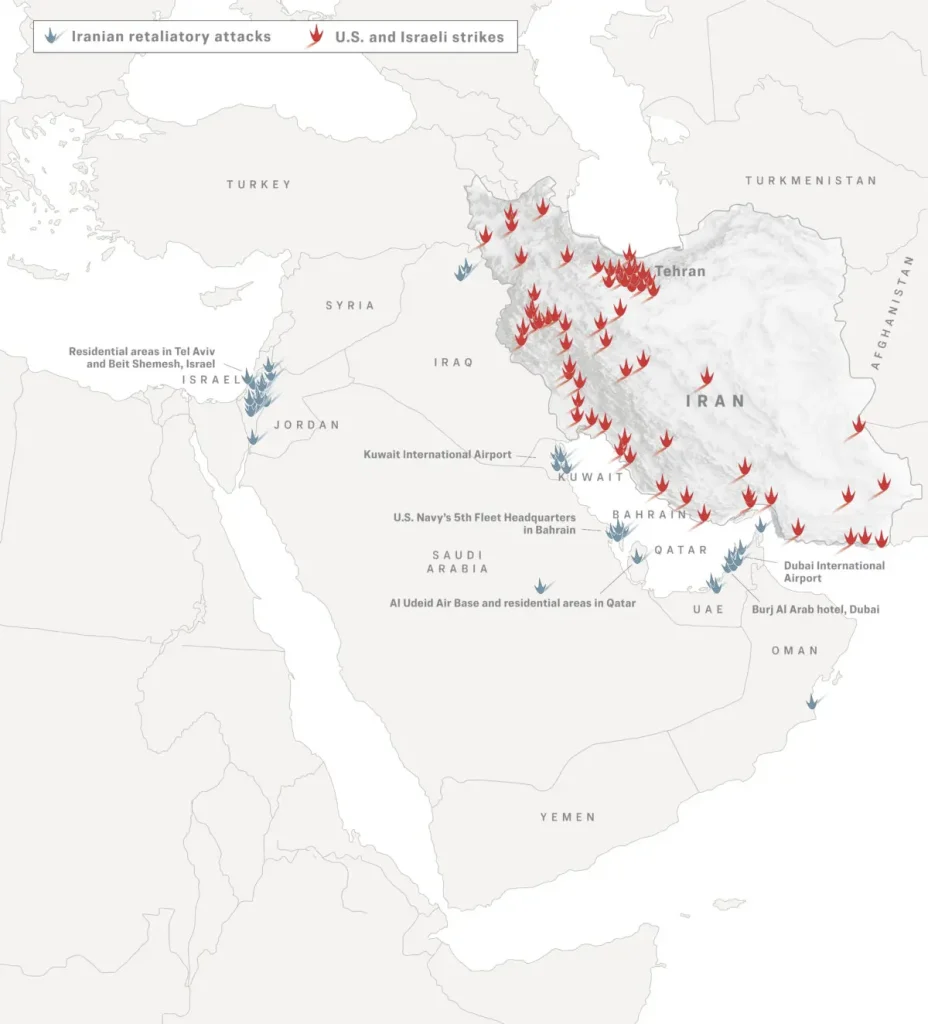
| 03/01 – 03/03/2026 | Iranian retaliation & regional escalation | Iran launches mass ballistic missile volleys and kamikaze drone swarms directly targeting Israel, while simultaneously bombardment hits U.S. military bases in Jordan, Kuwait, and Bahrain. The UK and allied coalition partners activate defensive grids to assist in interceptions. |
| Mid-March 2026 | Global energy crisis & Hormuz closure | Iran officially blockades the Strait of Hormuz, choking off one of the world’s primary energy transit choke points. Global crude oil and natural gas prices surge exponentially. The U.S. deploys heavy naval reinforcements to the Persian Gulf. |
| 03/24 – 03/26/2026 | Multi-front theater expands | Conflict spreads across the wider Gulf region. Arab nations hosting U.S. bases or leaning toward Western alignment (such as the UAE and Saudi Arabia) sustain collateral damage from indirect drone and missile strikes by Iran-aligned proxy networks. |
| 04/08/2026 | Temporary ceasefire brokered | Mediated by Pakistan, the U.S. and Iran agree to a conditional, two-week ceasefire. However, this truce excludes the Lebanese front, allowing Israel to initiate “Operation Eternal Darkness” to dismantle Hezbollah strongholds. |
| 04/13/2026 | U.S. naval blockade (Dual Blockade) | The Pakistan-brokered framework collapses as Iran refuses to reopen the Strait of Hormuz while Israel continues its offensive in Lebanon. The U.S. immediately enforces a strict counter-blockade, intercepting all commercial shipping bound for Iranian ports. |
| 04/16/2026 | Parallel Lebanon truce | A separate, highly fragile ceasefire is established in Lebanon intended to last until late May to cool Israel’s northern border, though low-level skirmishes persist on the ground. |
| Late May – Early June 2026 | Diplomatic gridlock | As the Lebanon truce expires, U.S. President Donald Trump announces that a deal to reopen the strait and dispose of uranium is fundamentally ready, but Iranian leadership immediately rejects it. Qatar-hosted negotiations freeze completely. |
| 06/07/2026 | 100-Day Mark & Direct Hostilities Resume | Marking 100 days since the war began, the fragile truce shatters completely. Following Hezbollah rocket fire, Israel heavily bombards Beirut, and Iran retaliates by launching 10 ballistic missiles directly at Israel’s Ramat David airbase. |
Expert Analysis: What Comes Next?
With a fragile truce on the table but sporadic combat still flaring across the Persian Gulf, the war has reached a critical inflection point. As of June 2026, international think tanks, financial rating agencies (such as Fitch and Oxford Economics), and energy analysts are mapping out what the next six to twelve months will look like.
Three primary scenarios dominate the strategic forecast:
Scenario A: The “Frozen Chokepoint” (65% Probability)
This is the current trajectory and the baseline model for global markets. In this scenario, a formal U.S.-Iran Memorandum of Understanding (MOU) is signed, and the intense air campaigns do not resume. However, a true state of peace is not achieved.
- The Outcome: The Strait of Hormuz remains functionally closed or heavily restricted for months. Even with a ceasefire, the physical task of sweeping the extensive marine minefields laid by the IRGC will take until late 2026.
- Economic Impact: Global Protection and Indemnity (P&I) clubs refuse to reinstate standard “war risk” insurance for Gulf transits. Major shipping lines continue bypassing the region entirely, making the detour around Africa’s Cape of Good Hope a semi-permanent logistical reality.
- The Cushion: Brent crude oil prices settle into a steady but elevated range of $85 to $95 per barrel. Fitch Ratings highlights that while this is a massive headwind, the global economy is avoiding a 1970s-style collapse due to a structural offset: a massive, highly synchronized global boom in AI-related IT infrastructure and technology spending, which is artificially propping up world trade and Asian exports.
Scenario B: Escalation to the “Dual Blockade” (20% Probability)
This is the worst-case scenario, driven by a total breakdown in current back-channel negotiations over frozen assets and nuclear compliance.
- The Trigger: If Supreme Leader Mojtaba Khamenei walks away from the Qatari-mediated talks, Iran is projected to shift from a defensive posture to an aggressive “economic denial” strategy.
- The Pivot: With the Strait of Hormuz already choked, Iran and its regional allies have explicitly threatened to fully activate the Bab al-Mandab Strait at the southern mouth of the Red Sea. A coordinated, drone-and-missile blockade of both Hormuz and Bab al-Mandab would strip the global market of 20 million barrels of oil per day and systematically cut the primary maritime corridors between Europe and Asia.
- Economic Shock: Under this model, crude oil would instantly spike past $120–$130 per barrel. The OECD warns this prolonged disruption would drag global GDP growth down to a brutal 1.8% by 2027, plunging the Eurozone and heavily dependent emerging markets into deep, structural recessions.
Scenario C: The Swift Multilateral Reopening (15% Probability)
The best-case scenario relies on a sudden, comprehensive diplomatic breakthrough.
- The Trigger: Facing a domestic crisis marked by 77% hyperinflation and a collapsing rial, President Masoud Pezeshkian and Parliament Speaker Mohammad Bagher Ghalibaf successfully convince the Supreme Leader to accept a grand bargain with Western powers in exchange for immediate, sweeping sanctions relief.
- The Execution: A massive, UN-backed multilateral maritime security coalition—potentially utilizing frameworks modeled after the Indian Navy’s Operation Sankalp or an expanded EU Aspides mission—takes over the immediate, accelerated de-mining of the Strait.
- Economic Recovery: Crude oil prices rapidly correct, sliding back down toward $70–$75 per barrel by autumn. Energy and food supply chains stabilize, allowing central banks to finally proceed with long-delayed interest rate reductions.
The Hidden Threat: The Secondary Shock
Regardless of which scenario plays out over the summer, experts warn that the global economy is about to hit a delayed hurdle that text-based economic reports often overlook. The closing of the Persian Gulf paralyzed major regional production facilities—such as Qatar’s massive Ras Laffan complex—abruptly halting the global supply of liquefied natural gas (LNG) and chemical fertilizers.
The timing of this “Fertilizer-LNG Paradox” could not have been worse, striking right as Asia’s critical 2026 Kharif sowing season began. The resulting 35% surge in urea and sulfur costs means a delayed global food supply chain shock is already locked in, likely driving up agricultural and grocery prices well into late 2026 and early 2027, even if the military conflict ends tomorrow.
Background: How the Iran War Began
Tensions between Iran and the U.S.-Israel alliance had been building for years over Iran’s nuclear program, ballistic missile development, and support for regional proxy forces. In late 2025, U.S. forces conducted “Operation Midnight Hammer” targeting Iranian nuclear infrastructure. Negotiations in early 2026 failed when Iran refused to accept demands to halt enrichment and abandon its missile program.
On February 25, 2026, the U.S. imposed new sanctions on 30+ individuals and entities linked to Iran’s oil network. Three days later, on February 28, 2026, the U.S. and Israel launched the opening strikes of what became the 2026 Iran War.
The war’s stated objectives: regime change, elimination of Iran’s nuclear breakout capability, destruction of its ballistic missile program, and degradation of its armed forces and proxy network.