
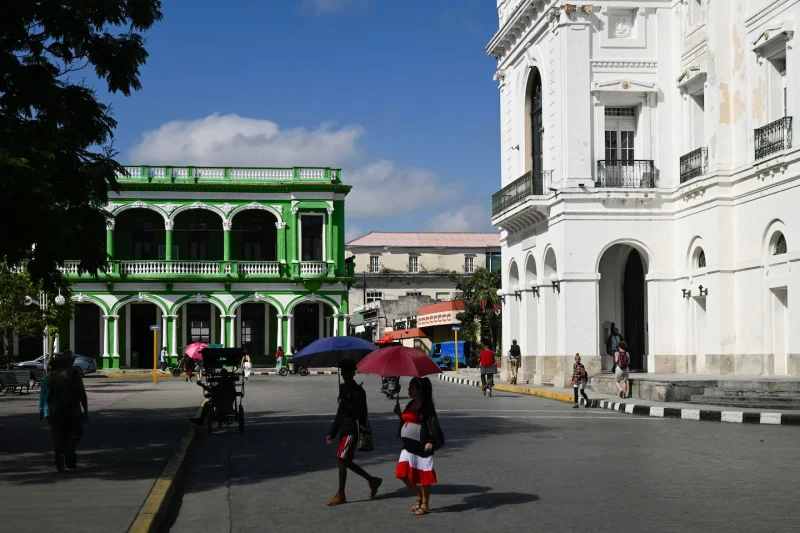
Cuba News Today (updated August, 2026) remains defined by a prolonged energy and fuel emergency, collapsing tourism, and a tighter U.S. sanctions track under President Trump. This week’s official picture: Havana says only one crude shipment has arrived in 2026 (about 100,000 tons donated by Russia); more than 1,400 MW of thermal capacity stays idle for lack of fuel. Washington extended the commercial embargo through September 2027 and added new designations against Cuban entities. On the island, President Miguel Díaz-Canel met private-sector representatives while the government frames shortages as the result of the blockade.
This roundup separates verified official statements from analysis. Sources include Reuters/BBC-style wire reporting, Granma, and U.S. announcements.
- Iran War News Today 2026: Latest Updates and Developments
- Dubai News Today: Latest Updates on Tensions, Flight Resumes
Latest updates (August, 2026)
- Embargo extension: The Trump administration extended the U.S. economic embargo on Cuba through September 2027 (document reported August 25). Havana called the move an extension of a “genocidal” blockade.
- New U.S. listings: Additional Cuban companies, officials, and ICAP-linked figures were designated. Foreign Minister Bruno Rodríguez said the measures aim to block basic services already under strain.
- Fuel reality check: Granma/state media: so far in 2026 Cuba received only one oil cargo (~100,000 tons from Russia). Over 1,400 MW of installed generation remains offline for lack of crude.
- Private sector: On August 27 Díaz-Canel met non-state business representatives and said contact with the broader “business system,” including new private forms, would continue — consistent with mid-2026 emergency opening of some pharmacies and fuel retail.
- Flights / tourism: Iberia’s Madrid–Havana service remains suspended through 30 June 2027. Industry tallies still put foreign arrivals down on the order of ~60% versus last year.
- U.S. courts / migration: A U.S. judge overturned a Trump visa ban covering Cuba and several Caribbean states (late August). A Grammy-winning Cuban percussionist seeking asylum was reported detained by ICE in Miami. Small migrant landings in the Florida Keys continue.
- Talks: U.S.–Cuba negotiations remain largely stalled; “regime change” timelines in earlier commentary have not materialized. Both sides still trade humanitarian-aid vs. embargo-lift demands.
Cuba News Today Headlines
- Driulis González: Cuba’s Four-Time Olympic Judo Medallist JudoInside.com
- Cuba grid collapses after transmission failure Transformer Magazine
- Cuba suffers grid collapse, as US sanctions block humanitarian and critical supplies World Socialist Web Site
- In the run-up to the midterms, Trump’s Cuba policy isn’t sitting well with Cuban American voters csmonitor.com
- The Wealthy Miami Residents Who Are Plotting Cuba’s Future WSJ
- Costa Rica Reaffirms Cuba Split After Havana Denies Being Notified The Tico Times
- An ‘UNDEFINED political goal’: Cuba’s deputy foreign minister reacts to U.S. fuel blockade Modern Ghana
- Cuba, Gaza, and the human cost of imperial thirst Struggle-La Lucha
- Cuba says power restored after nationwide blackout Modern Ghana
- Cuba restores national power grid following major outage aa.com.tr
- Cuba Suffers Total Disconnection of National Power Grid Orinoco Tribune
- USA and Brazil: Two Different Policies for Cuban Migration Havana Times
- 'Looking for hope:' In Havana’s darkness, Cubans turn to faith USA Today
- Inside the Cuban church where Father Suarez uses faith to combat crisis USA Today
- Cuba travel warning forces Ontario sunseekers to rethink winter getaway plans and budgets Inside Halton
Cuba Situation Now
Cuba is experiencing one of the most severe economic, humanitarian, and energy crises in its modern history.
1. Energy Collapse & Power Grid Failures
- As of late August 2026, daytime generation leans on domestic crude, remaining thermoelectric units, and solar parks that officials say can cover roughly half of daytime output when the sun is out. Night and peak hours remain the blackout window. Informal gasoline prices and charcoal cooking in homes are still widely reported in eastern provinces (local outlets have cited outages of many consecutive hours in Holguín).
- U.S. Fuel Blockade: Following geopolitical shifts in early 2026—including the disruption of oil shipments from Venezuela—the U.S. enforced a strict oil and fuel blockade on the island.
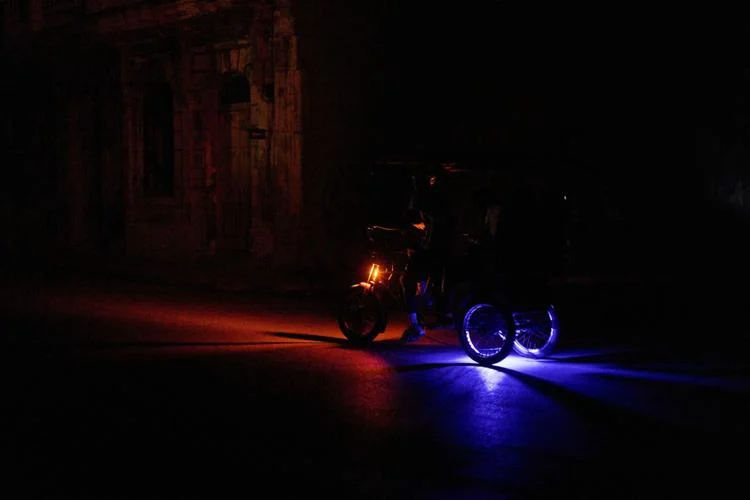
- Blackouts: Cuba’s aging National Electric System (SEN) has suffered repeated catastrophic failures. Power outages across Havana and eastern provinces routinely last 18 to 22+ hours per day.
- Aviation & Tourism Disruption: Major international carriers suspended or scaled back flights due to the lack of jet fuel at Cuban airports, resulting in a nearly 60% decline in foreign tourism.
2. Economic Crisis & Emergency Reforms
- Opening State Sectors to Private Firms: The Cuban government announced unprecedented measures to open crisis-ravaged state operations—such as pharmacies and gas stations—to private companies in an attempt to restore fuel and medical supplies.
- Retention of Core Sectors: The state maintains tight control over strategic domains including defense, telecommunications, education, and state-controlled exports like cigars.
3. Social & Humanitarian Impact
- Critical Shortages: Local food production is down by roughly 60%, and basic medical supplies and prescription drugs are available at only a fraction of normal capacity.
- Public Health & Services: Essential services, including municipal trash collection, public transport, and hospital operations, are heavily disrupted by fuel shortages.
- Mass Migration: The compounding economic hardship has fueled an unprecedented wave of emigration, with over 10% of Cuba’s population leaving the island in recent years.
4. Geopolitical & Diplomatic Escalation
- August 2026: embargo rolled forward to September 2027; extra sanctions on influence/mining-related targets and Cuban entities. Havana rejects U.S. NGO aid channels as political; Washington rejects lifting the energy squeeze without political conditions.
- U.S. Pressure Campaign: The U.S. State Department released a detailed report titled “Cuba: Capital of 21st-Century Communism,” signaling an escalated diplomatic and economic campaign against Havana.
- Direct Humanitarian Aid: Washington dispatched direct humanitarian shipments via Catholic and NGO channels to bypass government distribution networks, which Cuban officials rejected as a political maneuver while demanding an end to the energy embargo.
- Political Prisoners: Despite the release of over 2,000 prisoners earlier in the year following international talks, independent human rights groups report ongoing arrests and surveillance of political dissidents and activists.
What Comes Next for Cuba?
As Cuba grapples with its most acute political, economic, and energy crisis since the 1990s Special Period, the island stands at a pivotal turning point. Driven by years of structural decline, severe blackouts, and the impact of the 2026 U.S. fuel blockade following political shifts in Venezuela, analysts identify three main potential paths for Cuba’s near-future trajectory:
Plausible Scenarios for Cuba’s Future
1. Controlled Economic Opening with Political Continuity
- The “Vietnam/China Model” Shift: To prevent state collapse, the Communist Party of Cuba (PCC) may accelerate economic liberalization while retaining tight control over core political institutions, national defense, and telecommunications.
- Private Sector Expansion: The regime has already begun allowing private micro, small, and medium-sized enterprises (mipymes) to operate in non-strategic state sectors like fuel distribution and retail. Expanding this could gradually build a hybrid economy driven by private supply chains.
2. A Negotiated Bilateral “Deal”
- Coercive Diplomacy & Compromise: Back-channel negotiations between Washington and Havana could result in targeted sanctions relief or fuel import licenses in exchange for political and market reforms.
- Targeted Concessions: Cuba has already taken steps such as releasing political prisoners and permitting private oil resells. Further steps might include structural protections for foreign investments, deregulation, or broader political amnesties.
3. Institutional Breakdown & Mass Migration Crisis
- Systemic Failure: If back-channel talks stall and energy shortages persist, the risk of a full grid failure, agricultural collapse, and widespread civil unrest increases significantly.
- Regional Spillover: Severe economic conditions could trigger a massive migration surge across the Caribbean and toward the U.S. border, creating pressure on neighboring countries and forcing emergency international humanitarian intervention.
Critical Factors to Watch
- The Demographic & Labor Trap: With over 10% of Cuba’s population emigrating in recent years—mostly young professionals—the island faces a rapidly aging population and a severe shortage of skilled labor, complicating economic recovery efforts regardless of policy shifts.
- Foreign Power Realignment: Traditional allies like Russia and China face logistical and economic constraints that limit their ability to unilaterally bail out Havana’s energy grid, making domestic structural reform or a deal with Western neighbors increasingly unavoidable.
- Civil Society & Private Enterprise: The emerging Cuban private sector is becoming a key social and economic buffer. How much autonomy the government grants these private actors will determine whether local commerce can restore basic supplies.
Cuba News in July 2026
In July 2026, Cuba’s socio-economic, energy, and political situation reached a critical juncture, characterized by severe humanitarian distress, extreme power shortages, new emergency government reforms, and mounting foreign diplomatic pressure.
1. Crippling Energy Failure & Everyday Impact
- Severe Power Outages: Due to the ongoing U.S. fuel blockade and a shortage of imported oil, electricity generation across the island was heavily restricted. In Havana and outlying provinces, homes received at most 2 to 3 hours of electricity per day.
- Breakdown of Basic Services:
- Cooking gas became almost entirely unavailable, forcing citizens to resort to burning charcoal and plastic in their homes to cook food.
- Urban public transport in Havana largely ground to a halt as gasoline prices surged (exceeding $22 per gallon on informal markets).
2. Emergency Economic Policy Shift
- Easing Private Sector Restrictions: In late July 2026, the Cuban government took unprecedented steps by lifting restrictions on certain private enterprise activities to ease supply bottlenecks.
- Private Imports & Healthcare: Private businesses (mipymes) were granted permission to directly import and retail pharmaceuticals and medical supplies.
- Foreign Energy Concessions: The government loosened regulations regarding oil extraction by foreign companies in an attempt to mobilize domestic energy resources.
3. Escalating U.S. Pressure & Diplomatic Strains
- U.S. State Department Campaign: On July 21, 2026, the U.S. State Department released a detailed 100-page report outlining claims of a “unique threat” posed by the regime, signaling an intensified diplomatic and sanction-driven campaign to pressure Havana.
- Targeting Financial & Tourist Revenue: Building on financial restrictions introduced earlier in mid-2026, U.S. measures continued to pressure international payment providers (like Visa and Mastercard) to limit tourism revenue flowing to state enterprises.
4. Human Rights & Migration Pressures
- Detentions & Oppositional Rearrests: Independent human rights organizations documented ongoing arbitrary detentions and targeted rearrests of prominent opposition figures and activists throughout mid-to-late July.
- Population Outflow: High rates of emigration persisted, with estimates confirming that over 10% of Cuba’s population has fled the country in recent years due to persistent food, health, and power shortages.
Cuba News in June 2026
June 2026 marked a pivotal month for Cuba, characterized by an unprecedented domestic economic pivot aimed at preventing systemic collapse, juxtaposed against an aggressive expansion of U.S. sanctions and a worsening energy and humanitarian crisis.
1. Unprecedented Domestic Economic Reforms
Faced with extreme economic distress, President Miguel Díaz-Canel announced a major economic reform package under the 2026 Economic and Social Program. On June 18, 2026, Cuba’s National Assembly approved over 175 structural reforms—representing one of the most substantial shifts in Cuba’s state-led model since 1959:
- Private Sector Expansion: Authorization of larger private enterprises (mipymes), multi-firm ownership, and the opening of private banking.
- Real Estate & Equity Shares: Opening portions of the real estate sector to private development and allowing private/foreign equity stakes in select state enterprises.
- Decentralization: Granting state enterprises and local municipalities direct access to foreign exchange markets and greater operational autonomy.
2. Expanded U.S. Sanctions & Financial Squeeze
The U.S. government rapidly built out its sanctions architecture under Executive Order 14404 to target core military and economic channels:
- Targeting High-Level Leadership (June 4): Fresh designations targeted family members of leadership, including Alejandro Castro Espín, as well as mining entity Minera La Victoria.
- Energy Sector Hits (June 11): Designation of state oil company CUPET to further tighten the energy embargo.
- GAESA Financial & Logistics Channels (June 23): Sanctions were extended to key financial institutions and logistical arms of the military conglomerate GAESA—including Banco Financiero Internacional (BFI), RAFIN S.A., and container/logistics manager Almacenes Universales S.A. (AUSA) at the Port of Mariel.
- Payment Network Restrictions: Expanded warnings to major payment networks (e.g., Visa and Mastercard) to disrupt tourism revenue and remittance processing.
3. Deepening Grid & Humanitarian Collapse
The economic pressure campaign and fuel shortages crippled basic infrastructure across the island:
- Power Grid Failures: Blackouts routinely took over 50% of the island’s electrical grid offline.
- Transportation & Logistics Halt: Critical shortages of jet fuel led to grounded flights and flight suspensions at Havana’s international airport, while urban public buses ceased operation across major cities.
- Public Health & Sanitation Crisis: Uncollected garbage accumulated on streets due to fuel-less sanitation trucks. Supplies of essential medicines dropped to around 30% of normal capacity, while food production plummeted by an estimated 60%.
4. Pressure on Foreign Revenue Streams
Washington intensified efforts to dismantle foreign revenue sources that sustain the Cuban state:
- Medical Missions Phase-Out: Diplomatic pressure led several countries in Latin America and the Caribbean (including Guatemala and Honduras) to begin phasing out long-standing contracts with Cuban medical missions.
- Foreign Joint Ventures: Joint ventures with foreign corporations faced immense strain, exemplified by Canada’s Sherritt International announcing its withdrawal from the Moa Nickel joint venture under U.S. pressure.
Cuba Situation in May 2026
In May 2026, Cuba is navigating an exceptionally severe domestic crisis characterized by a near-total collapse of its energy grid, catastrophic fuel shortages, soaring inflation, and mounting diplomatic friction over its international trade partnerships.
The ongoing war in the Middle East—specifically the U.S./Israel-Iran conflict and the subsequent naval blockade of Iranian ports—has severely disrupted Cuba’s critical oil supply lines, plunging the island into a profound humanitarian and economic emergency.
1. The Energy Catastrophe and Total Grid Collapse
The structural issues of Cuba’s aging thermoelectric plants, compounded by the abrupt halt of subsidized oil imports, reached a breaking point in May 2026.
- Rolling Blackouts: Major cities, including Havana, are experiencing scheduled and unscheduled power outages lasting up to 18 to 20 hours a day.
- The Antonio Guiteras Plant Failure: The country’s main thermoelectric plant in Matanzas has operated at minimal capacity due to a lack of crude oil and essential spare parts, triggering successive total collapses of the national electric grid (SEN).
- Public Infrastructure Paralysis: The lack of electricity has paralyzed water pumping stations, resulting in severe water shortages across multiple provinces. Hospitals are relying heavily on fragile, diesel-powered emergency generators, forcing the postponement of non-essential medical procedures.
2. The Fuel Crisis and the Middle East War Impact
Cuba’s domestic stability has historically been tied to imported oil, making the island a collateral victim of the 2026 U.S.-Iran maritime conflict.
- The Choked Supply Line: Following the strict implementation of the U.S. Central Command’s (CENTCOM) counter-blockade on Iranian ports, Cuba’s primary alternative oil supply from Tehran has been completely severed.
- The “Ghost Fleet” Clampdown: U.S. naval forces in the Indian Ocean and Atlantic have aggressively intercepted and boarded non-flagged commercial tankers suspected of smuggling Iranian crude. Cuba-bound vessels from sanctioned networks have been unable to breach this blockade, leaving Cuban refineries virtually empty.
- Transportation Paralysis: Public transit in Havana and inter-provincial bus lines have ground to a near-halt. Miles-long queues at gas stations are a permanent fixture, with fuel strictly rationed for emergency services and agricultural transport.
3. Diplomatic Strains with Russia and Venezuela
With Iran locked out of the market, Havana has desperately turned to its traditional allies, with mixed results.
- The Venezuelan Shortfall: Venezuela’s PDVSA, facing its own domestic infrastructure decay and shifting geopolitical priorities under heavy regional scrutiny, has drastically reduced its subsidized oil shipments to Cuba, prioritizing cash-paying customers instead.
- Russian High-Interest Deals: While Moscow has sent occasional emergency shipments of fuel oil to Havana, these deliveries are no longer subsidized gifts. Russia has demanded hard currency or long-term leases on Cuban state assets (such as ports and agricultural lands), deeply complicating Cuba’s sovereign debts.
4. Socioeconomic Strain and Hyperinflation
The combination of zero fuel, zero electricity, and agricultural failure has pushed the Cuban population to the brink.
- Food Scarcity: The lack of fuel for tractors and transport trucks has caused domestic food production to plummet. The government’s subsidized ration book (la libreta) has seen severe delays, failing to provide basic staples like rice, beans, and powdered milk.
- Currency Collapse: In the informal market, the Cuban Peso (CUP) has depreciated rapidly against the U.S. Dollar and the Euro, rendering state salaries functionally worthless for purchasing basic goods in MLC (freely convertible currency) stores.
- Migratory Pressures: The dire living conditions in May 2026 have triggered a renewed surge in irregular migration, with thousands of Cubans attempting to leave the island daily via maritime routes toward Florida or transit routes through Central America.
Summary Sentiment: In May 2026, Cuba is experiencing its most volatile period of instability since the 1990s Special Period. The Cuban government is caught in a geopolitical vice, as the escalation of global conflicts directly suffocates the island’s energy dependence without any immediate economic relief in sight.
Cuba Situation in April 2026
In April 2026, Cuba reached a critical humanitarian and geopolitical tipping point. The island suffered under a devastating U.S. fuel blockade initiated in late January 2026 by the Trump administration, which successfully cut off the country’s traditional oil supply chains.
The situation in April was defined by extreme domestic deprivation, emergency diplomatic maneuvers, and a collapsing public infrastructure.
1. The Fuel Blockade and the Core Energy Crisis
The primary catalyst for the crisis in April was the total disruption of Cuba’s imported oil, which historically accounted for 60% of its daily energy needs.
- The Venezuelan and Mexican Shortfalls: Following the U.S. intervention in Venezuela and the removal of President Nicolás Maduro in January, Venezuelan oil shipments ceased entirely. Concurrently, Mexico halted its oil exports to Cuba under the threat of aggressive U.S. tariffs.
- Severe Rolling Blackouts: Building on a series of complete grid collapses in March, power outages in April routinely lasted between 12 to 20 hours a day, and in some rural or eastern provinces (still recovering from 2025’s Hurricane Melissa), blackouts stretched past 48 to 72 consecutive hours. NASA satellite data from the period showed a precipitous 34.6% drop in Cuba’s nighttime light reflectance in the span of just a few weeks.
2. A Dire Humanitarian Tipping Point
By mid-April, the UN and international relief organizations warned that the energy blockade was inducing a systematic humanitarian collapse.
- Healthcare Paralysis: Because hospitals lacked consistent power and diesel to run emergency generators, Cuba’s healthcare system faced a staggering backlog of over 96,000 pending surgeries, including 11,000 for children. The National Immunization Programme for infants faced severe delays.
- Water and Sanitation Failures: Approximately one million Cubans became entirely dependent on water trucking because municipal pumping stations lacked electricity. However, the water trucks themselves were frequently grounded due to a lack of diesel. In Havana and other major cities, garbage accumulated heavily in the streets because sanitation trucks lacked fuel.
- Educational and Transit Closures: The government was forced to temporarily close schools and universities, strictly limit public transportation, and instruct non-essential public sector employees to stay home to conserve remaining fuel reserves.
3. High-Stakes Diplomacy and Mass Prisoner Release
Facing an unsustainable domestic situation, President Miguel Díaz-Canel’s government engaged in tense, quiet diplomatic channels with the United States.
- The April 3 Mass Release: Following preliminary talks in March regarding the U.S. oil blockade, Cuba executed a massive gesture of concessions. On April 3, 2026, the Cuban government released more than 2,000 prisoners (following an initial release of 51 political prisoners in March) in an attempt to ease U.S. pressure and negotiate “solutions.”
- Defiance Amid Pressure: Despite the mass release and crushing economic reality, Díaz-Canel explicitly stated in international media interviews in early April that he would not resign under U.S. pressure, framing the blockade as an illegal act of aggression.
- The Russian Lifeline: In early April, the U.S. temporarily blinked on humanitarian grounds, permitting a Russian oil tanker carrying 730,000 barrels of crude oil to bypass the blockade and dock in Cuba. While this provided a fleeting psychological boost, UN officials noted that the shipment was a drop in the bucket and that acute humanitarian needs persisted.
4. Economic Evaporation and Tourism Collapse
- The Crushing of the Medical Missions: Throughout April, the U.S. successfully pressured multiple regional governments—including Guatemala, Honduras, and several Caribbean nations—to end or drastically reduce their use of the Cuban Medical Brigade. This severely choked off one of the Cuban state’s primary remaining sources of hard foreign currency.
- Tourism Plummets: Due to acute shortages of aircraft jet fuel, major international airlines had heavily rolled back or canceled flights to the island. By the end of April, data revealed that tourist arrivals had plunged by 82% year-on-year, completely dry-spelling the island’s hospitality sector.
Summary: In April 2026, Cuba was an island frozen in darkness. The mass prisoner release on April 3 signaled a government pushed to the absolute brink, attempting to bargain for its survival while its population navigated a severe scarcity of food, water, medicine, and electricity.
Frequently Asked Questions
What is the latest Cuba news today?
Energy shortages and U.S. sanctions remain the main story. The embargo was extended to September 2027; Cuba reports a single 2026 oil cargo and more than 1,400 MW idle.
Is there a U.S. oil blockade on Cuba?
Havana uses that term for tightened enforcement that cut Venezuelan and other fuel flows. Washington describes sanctions and maritime enforcement. The on-the-ground result is the same: very little imported crude in 2026.
Are international flights to Havana operating?
Some carriers still fly; Iberia has said Madrid–Havana stays grounded until mid-2027. Always check the airline — jet-fuel and sanctions rules change schedules fast.
Did U.S.–Cuba talks produce a deal?
Not as of late August 2026. Prisoner releases earlier in the year did not unlock a fuel or embargo settlement.
What is causing Cuba’s current crisis?
Cuba’s crisis results from overlapping causes: a state-controlled economy that has failed to reform, the collapse of Venezuelan oil subsidies, a severe energy infrastructure deficit, U.S. sanctions including the embargo, and political repression that prevents citizens from legally demanding change.
How bad are the power outages in Cuba?
In many parts of Cuba, electricity is unavailable for up to 20 hours per day. The national grid relies on aging Soviet-era thermal plants that have deteriorated badly. Fuel shortages prevent generators from running as backup, and grid repairs are hampered by a lack of parts and resources.
How many political prisoners does Cuba have?
As of late 2025, the NGO Prisoners Defenders reported approximately 700 political prisoners. Among them, 359 are connected to the July 2021 protests, with sentences of up to 22 years. Hundreds more remain under house arrest or surveillance restrictions.
Why are so many Cubans leaving?
Cubans are emigrating at record rates due to the combination of economic desperation (food and fuel shortages, hyperinflation, unemployment), daily hardship from power blackouts, and the absence of political freedom. Most migrants travel through Central America to the United States or head to Spain and other European countries.
What is the U.S. embargo on Cuba?
The U.S. embargo, in place since the early 1960s, prohibits most trade and financial transactions between the United States and Cuba, and discourages third-country companies from doing business with Cuba through secondary sanctions. It is one of the longest-standing economic embargoes in history and remains highly contested — with critics arguing it primarily harms ordinary Cubans and defenders arguing it is a legitimate tool to pressure a repressive government.
Is Cuba’s situation likely to improve?
Most independent analysts are pessimistic about the near term. Cuba’s government has not signaled willingness to undertake the structural economic reforms that would attract investment and boost growth. U.S. policy is unlikely to soften in the current political environment. The most realistic medium-term hope lies in expanding renewable energy capacity and modest private sector liberalization — but neither will quickly reverse a decade of decline.
Is it safe to travel to Cuba?
Cuba is generally not considered dangerous for tourists in terms of violent crime, and it receives international visitors year-round. However, travelers should be aware of significant practical challenges: frequent and lengthy power outages, fuel shortages that affect transportation and hotel services, food supply inconsistencies, and limited internet access. Several governments advise travelers to check current conditions before visiting.

Stay informed with Cuba News Today — the situation remains fluid and could shift rapidly in the coming weeks.
- Dubai News Today: Latest Updates on Tensions, Flight Resumes
- Iran War News Today 2026: Latest Updates and Developments