
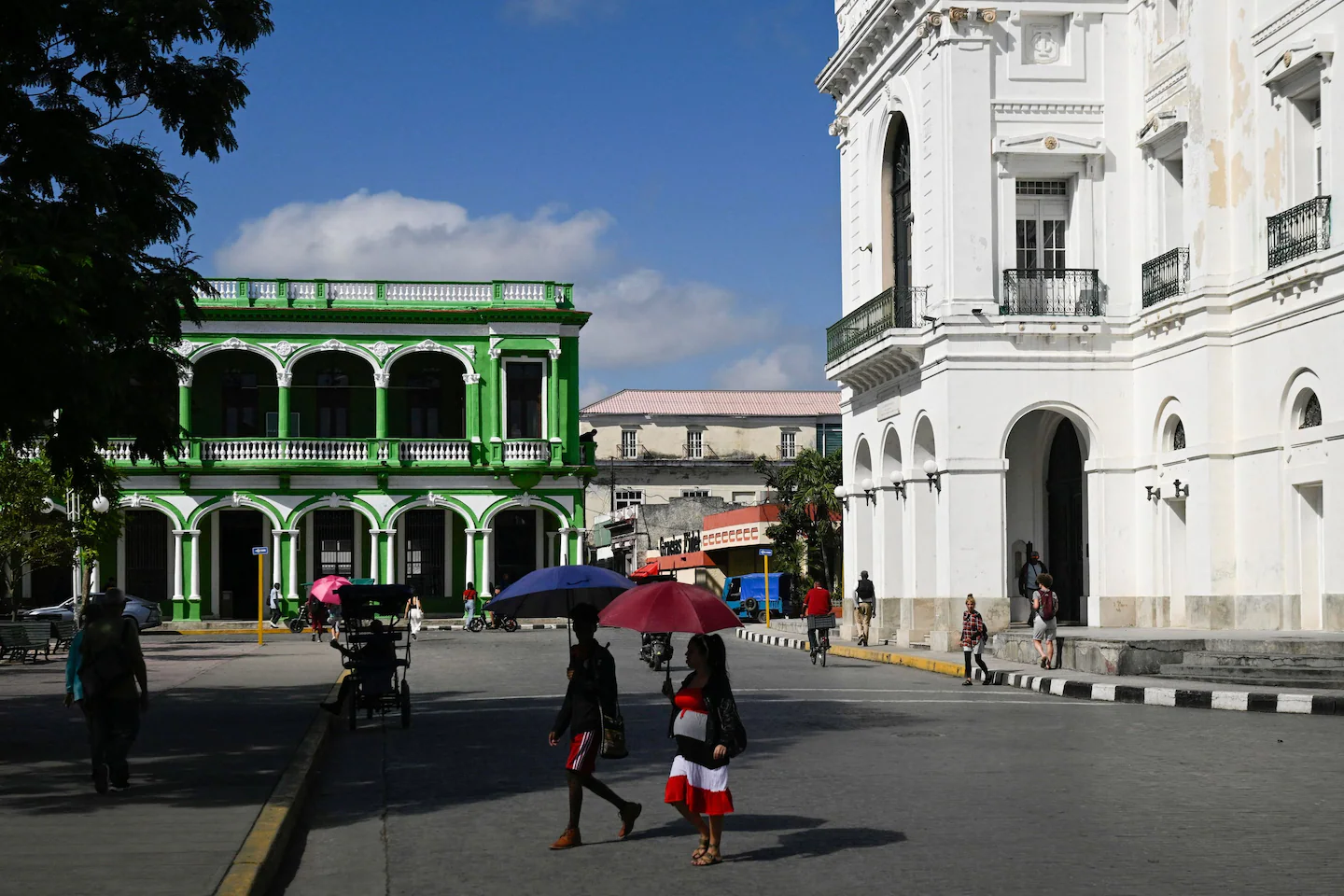
Cuba News Today is dominated by the ongoing 2026 Cuban crisis — a severe fuel shortage, rolling blackouts, collapsing tourism, and mounting U.S. pressure under President Donald Trump. Cuba remains gripped by a severe energy and economic crisis, with fresh U.S. pressure under President Trump dominating headlines.
This detailed Cuba News Today roundup presents all major events. All information is based on verified reports from Fox News, Reuters, BBC, and official Cuban and U.S. statements.
- Iran War News Today 2026: Latest Updates and Developments
- Dubai News Today: Latest Updates on Tensions, Flight Resumes
Cuba News Today Headlines
- As U.S. threatens, Cubans look ahead, with hope and trepidation Los Angeles Times
- Disappeared Mexican boats carrying aid to Cuba found: Mexico Navy tribuneindia.com
- Island's Cameron Whitcomb, Alex Cuba take home Juno Awards Times Colonist
- Mexico’s navy locates 2 missing sailboats carrying aid off the coast of Cuba CityNews Halifax
- A new course for Cuba thecritic.co.uk
- Missing aid boats land in Cuba after being located by Mexican navy NBC News
- Missing sailboats carrying aid land in Cuba after being located by Mexican navy Yahoo News Canada
- Missing sailboats carrying aid land in Cuba after being located by Mexican navy AP News
- DAVID MARCUS: Hasan Piker, useful idiot fashionistas want to make America into commie Cuba Fox News
- Havana, Cuba Seen From ‘The Control Tower’ Havana Times
- Missing sailboats carrying aid land in Cuba after being located by Mexican navy CTV News
- Missing sailboats carrying aid land in Cuba after being located by Mexican navy CP24
- Two humanitarian aid boats safely reach Havana after being located by Mexican Navy Reuters
- 'Viva Cuba!' Activists, pols turn CUNY conference on commie country into anti-American hatefest nypost.com
- Mexico’s navy locates two missing sailboats carrying humanitarian aid off coast of Cuba The Globe and Mail
- Castro Heirs Emerge Across Cuba’s Political Scene Amid Energy Crisis and Trump Threats The New York Times
- Two Cuba-bound aid ships found days after disappearing BBC
- Missing Cuba-bound aid boats arrive safely in Havana DW.com
- Mexican navy: Missing humanitarian aid boats found near Cuba Yahoo News Canada
- Mexican navy: Missing humanitarian aid boats found near Cuba upi.com
Cuba News last week
Cuba faces a prolonged blackouts, fuel/food/medicine shortages, and growing public discontent. In response, the government confirmed rare direct talks with the US, announced a prisoner release as a goodwill gesture, and saw rare violent protests erupt over blackouts.
| Date | Headline / Event | Key Details | Impact / Notes |
|---|---|---|---|
| 16 March 2026 | Protests continue amid deepening crisis; international reactions | Reports of desperation and unusual acts of defiance; analysis of Morón protest videos confirms authenticity. Cuban Americans and South Florida politicians react to prisoner releases and talks. | Ongoing blackouts and shortages fuel unrest; some protests intensify after sundown due to darkness. |
| 14–15 March 2026 | Violent protests in Morón: Protesters attack and torch Communist Party office | Peaceful rally against blackouts and food shortages in Morón (Ciego de Ávila province) turns violent overnight. Demonstrators break into local Communist Party headquarters, drag out furniture, set it on fire, and chant “Freedom!” and “Burn it all down!” | Rare outbreak of public dissent and violence in Cuba. President Díaz-Canel acknowledges anger over outages but warns against violence. State media and videos widely circulated. |
| 13 March 2026 | President Miguel Díaz-Canel confirms talks with US government | In a televised address, Díaz-Canel publicly acknowledges recent (previously secret) negotiations with the Trump administration, directed with input from Raúl Castro. Talks are in early stages to build an agenda. | First official confirmation amid US pressure. Comes as oil blockade causes grid instability and humanitarian concerns. Cuba seeks deal without major political reforms. |
| 12–13 March 2026 | Cuba announces release of 51 prisoners; Vatican-brokered goodwill gesture | Government states it will free 51 prisoners “in the spirit of goodwill” following talks with Pope Leo XIV at the Vatican. Many nearing end of sentences; no names or charges specified. | Timed with US pressure and energy crisis. Seen as attempt to ease tensions and improve image. Releases reportedly began shortly after announcement. |
| 12 March 2026 | Energy crisis explained; impacts on daily life and students | Prolonged blackouts (sometimes days-long) due to fuel shortages from US oil blockade. Affects electricity generation, schools, and households. | Widespread hardship; grid remains unstable despite earlier repair claims. Contributes to growing frustration leading to protests. |
| 10–11 March 2026 | Trump comments on Cuba; ongoing blockade effects | Trump describes Cuba as in “deep trouble” on humanitarian grounds and floats ideas of regime change or “friendly takeover.” Blockade prevents oil imports, exacerbating shortages. | Increased international attention and travel disruptions (e.g., Canadians seeking March break alternatives due to tensions). |
| Throughout week | Persistent blackouts, economic strain, and diplomatic moves | Rolling power outages affect most of the island (including Havana). Food and fuel shortages worsen. Some private companies allowed to import oil as limited relief. | Rare protests highlight mounting discontent. Government emphasizes talks and prisoner release as positive steps; opposition and exiles call for deeper change. |
Cuba News Today 15 March 2026
Major Incident: Violent Protest in Central Cuba
- In the early hours of Saturday (March 14), protesters in Morón (Ciego de Ávila province, central Cuba) stormed and partially destroyed/torched a local Communist Party headquarters.
- The demonstration began peacefully late Friday as a rally against prolonged blackouts, food shortages, and fuel scarcity but turned violent. Authorities reported the office was set on fire; five people were arrested.
- This is one of the rarest outbursts of direct anti-government violence in recent years, with state media describing it as linked to energy supply failures exacerbated by the U.S. blockade.
- Similar frustrations have fueled smaller protests, pot-banging in Havana, and student demonstrations at the University of Havana earlier in March.
Energy and Economic Crisis Deepens
- No petroleum shipments have arrived in Cuba for three months due to the U.S. oil blockade (executive order from late January 2026 targeting suppliers like Venezuela, with secondary tariffs on others).
- Rolling blackouts have become near-constant, crippling transportation, healthcare, education, and daily life. The electrical grid is described as “unstable” by President Miguel Díaz-Canel; some power plants shut down due to fuel depletion.
- Experts warn of potential “zero hour” (total fuel reserve exhaustion) if no imports resume soon, risking humanitarian collapse. Economy contracting sharply; inflation rampant; basic goods (e.g., eggs) at extreme prices on informal markets.
U.S.-Cuba Talks Confirmed
- President Díaz-Canel publicly confirmed in a national broadcast (Friday, March 13) that Cuban and U.S. officials have held recent talks to address bilateral differences “through dialogue.”
- This marks the first official Cuban acknowledgment of negotiations amid Trump’s pressure campaign. Talks described as initial-stage; focus on resolving issues with “respect” for each side’s system.
- White House officials reiterated Trump’s view that a deal “could be very easily made.” Speculation points to indirect channels (possibly involving Raúl Castro’s grandson as interlocutor with Secretary of State Marco Rubio) and Vatican mediation.
Prisoner Releases and Goodwill Gestures
- Cuba began releasing 51 prisoners (announced Thursday, March 12–13) under a Vatican-brokered agreement — presented as a sign of goodwill amid talks.
- This follows Foreign Minister Bruno Rodríguez’s meeting with Pope Leo and is part of a series of clemency moves.
- Díaz-Canel emphasized transparency in aid distribution and health priorities despite the blockade.
Other Developments
- Cuba confirmed FBI cooperation to investigate a February 25 speedboat incursion by 10 Cuban exiles from Florida (resulted in gun battle; 5 deaths reported).
- Trump has repeatedly threatened regime change rhetoric, including allusions to a possible “friendly takeover” of Cuba.
- International observers (UN, analysts) warn of looming humanitarian crisis if fuel blockade persists.
The crisis is directly tied to U.S. policy aiming to force concessions or change in Havana, but it has sparked visible public anger rarely seen under the current government. Authorities are framing protests as isolated or externally influenced, while emphasizing dialogue as the path forward.
Current Cuba Situation Now
For now, Cuba is in the midst of a severe, ongoing humanitarian and economic crisis known as the 2026 Cuban crisis.
Core Causes
Cuba depends heavily on imported oil (mainly from Venezuela and Mexico) for electricity, transportation, industry, and essentials. The U.S. under President Donald Trump has blocked Venezuelan oil shipments to Cuba and imposed/threatened tariffs on any country (including Mexico’s Pemex) supplying fuel, via Executive Order 14380 (effective January 30, 2026). This is explicitly aimed at forcing regime change or major reforms by the end of 2026. Pre-existing structural issues (centralized economy, corruption, infrastructure decay) have amplified the collapse.
What is happening in Cuba?
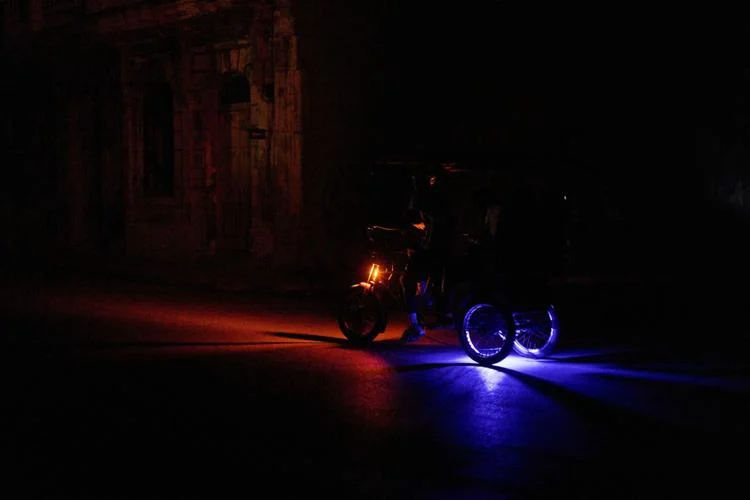
- Energy/Blackouts: Prolonged outages are the norm. Early March saw up to 64% of the island without power; a major March 4 blackout hit two-thirds of Cuba (including Havana), with some areas enduring 20+ hours daily or total darkness for days. Power plants fail due to fuel shortages and technical issues; repairs are announced but crises recur.
- Food & Essentials: Severe shortages; most food is imported, but fuel shortages halt transport, refrigeration, and distribution. Markets report 2–3x higher prices; vendors warn of empty shelves. Garbage piles up in Havana and other cities (only ~41% of trucks operational).
- Transportation & Services: Near-empty roads, canceled flights (no jet fuel; airlines like Air Canada suspended routes), halted mining, closed schools/universities, reduced hospital services. Tourism has collapsed catastrophically.
- Health & Broader Effects: Deteriorating access to medicine, rising diseases, waste issues. The UN has warned of potential “humanitarian collapse” without oil. Emigration continues at high rates (Cuba has lost ~10% of its population recently).
Residents describe life grinding to a halt: “There’s no food… The impact will be terrible,” one vendor told CNN in February. People cook with charcoal; nights in Havana are dark enough to see stars.

Protests & Social Unrest
Ongoing blackouts have sparked cacerolazos (pot-banging protests) in Havana, Matanzas, and other areas in recent days (e.g., March 7–8), with chants against the situation. The government blames U.S. sanctions, organizes counter-demonstrations, and has increased repression. A February–March speedboat incident saw Cuban forces kill 5 and injure/capture others. Broader protests from 2024–2026 continue in this context.
Government Response
President Miguel Díaz-Canel has called for “urgent transformations” to the economic model (more private-sector autonomy), “creative resistance,” and eating local produce. He rejects preconditions in talks but has signaled openness to dialogue on any topic. Rhetoric remains anti-“U.S. imperialism.”
U.S. Position & Developments
Trump stated on March 9, 2026 (in Doral, Florida): Cuba is in “deep trouble” on a humanitarian level—”down to… fumes. They have no energy, they have no money.” He said Secretary of State Marco Rubio is handling it, and it “may or may not be a ‘friendly takeover'”—but change is coming regardless. U.S. officials (including top diplomat Mike Hammer) publicly predict the “dictatorship will end in 2026,” with back-channel contacts reported (e.g., with Raúl Castro’s grandson). Some limited licenses allow private-sector oil resale, but the blockade persists. Trump has linked it to Venezuela events and hinted at negotiations for reforms.
International Reactions
Mixed: Russia/China/Iran condemn the U.S.; some Latin American countries have withdrawn Cuban medical brigades or expelled diplomats. The UN expresses humanitarian concern. No major oil shipments have broken the blockade effectively.
Outlook
The crisis is ongoing and worsening, with analysts split on rapid collapse vs. prolonged suffering. Diplomatic activity (secret talks, Vatican involvement) is reported, but no formal deal yet. Cuba’s government is isolated and under extreme pressure; daily life for ordinary Cubans remains extremely difficult, marked by shortages, darkness, and uncertainty.
Cuba News Today Update
Cuba is experiencing acute fuel and electricity shortages, sporadic protests, and mounting international isolation. The government continues to blame U.S. sanctions, while the Trump administration openly predicts the collapse or major reform of the communist regime within weeks or months.
Top Cuban News Today Headlines – March 8, 2026
Massive Blackout and Protests in Darkness
A nationwide power outage hit most of Cuba (including Havana) earlier this week, lasting up to 16 hours in many areas and triggering street protests in the dark. Authorities repaired a key thermoelectric plant (Antonio Guiteras) and restored the grid, but capacity remains critically low. The government blames U.S. sanctions and the cutoff of Venezuelan oil shipments. Residents resorted to flashlights, street haircuts by candlelight, and cacerolazos (pot-banging protests).
Trump: “Cuba Is in Its Last Moments” and Negotiations Underway
President Trump repeatedly stated this week that the Cuban government is “in its last moments of life as it was” and “is going to fall pretty soon.” He spoke at the “Shield of the Americas” summit in Doral, Florida, claimed Havana is already negotiating a deal with him and Secretary of State Marco Rubio, and suggested a “friendly” transition or “great new life” for Cuba could come quickly. His administration is also reportedly exploring federal charges against Cuban regime officials.
Fifth Death Confirmed in U.S.-Flagged Speedboat Incident
Cuba’s Interior Ministry announced a fifth fatality (Roberto Álvarez Ávila) from last week’s clash. Cuban forces shot at a Florida-tagged speedboat carrying Cuban nationals living in the U.S. after it allegedly entered territorial waters and opened fire. Four were killed on the spot; six others were wounded and arrested. Cuba has charged survivors with terrorism. The U.S. is investigating.
Other Notable Stories
- Diplomatic fallout: Cuba closed its embassy in Quito after Ecuador expelled all Cuban diplomats.
- Sports bright spot: The Cuban national baseball team opened the 2026 World Baseball Classic with a 3-1 victory over Panama, highlighted by strong pitching and defense from Yoán Moncada.
March 6, 2026 – Grid Restored, Trump Eyes Cuba Next
Power returns after 16-hour nationwide blackout; Trump says regime change is “question of time”
Cuba’s national electrical grid was fully reconnected on March 5–6 after the worst outage in recent months. Officials blame the U.S. oil blockade for the crisis. Residents reported widespread use of candles, generators, and street cooking during the blackout.
President Trump, in a wide-ranging interview, declared: “Cuba is going to fall” due to intense U.S. economic and political pressure. He added that Havana “wants to make a deal” and suggested focusing on Cuba after Iran, possibly within “a couple of weeks.” Top U.S. diplomat in Havana, Mike Hammer, stated publicly that “the dictatorship will end in 2026” and confirmed high-level talks with Cuban officials for a peaceful transition.
Ecuador declared Cuba’s ambassador persona non grata and expelled diplomatic staff.
Cuban News Today – March 5, 2026
Cuba restores electricity but capacity remains critically low
The Antonio Guiteras thermoelectric plant failure triggered the March 4 blackout affecting two-thirds of the island (Pinar del Río to Camagüey, including Havana). Power began returning late March 5. Energy Ministry directly linked the outage to the U.S.-imposed oil chokehold.
Cuba formally charged six Cuban-American exiles with terrorism over the February 25 speedboat incident. Five casualties now confirmed (including one U.S. citizen killed).
March 4, 2026 – Historic Blackout Hits Most of Island
Massive power outage leaves millions without electricity amid U.S. oil blockade
A sudden failure at the Antonio Guiteras plant caused a complete disconnection of the national grid. Havana and western/central provinces went dark for over 16 hours — the second major blackout in three months. Public transport halted, hospitals used generators, and families cooked with wood. The government accused the Trump administration’s fuel restrictions of pushing the grid to collapse.
Tourism continued to crumble: Canadian airlines suspended flights due to jet-fuel shortages; hotels closed or operated at minimal capacity. NYT reported the industry — Cuba’s key foreign-currency earner — is “devastated.”
Cuban News Today – March 3, 2026
Cuba files terrorism charges against speedboat suspects
Six people involved in the February 25 armed incursion were charged with terrorism. Cuban authorities said the U.S.-registered vessel carried nearly 13,000 rounds of ammunition and planned “armed infiltration.”
U.S. Embassy warned of prolonged blackouts and “significant disruptions.” South Florida Cuban exiles signed a “Freedom Accord” calling for a three-phase democratic transition.
March 2, 2026 – Arrests and International Reactions
Cuba arrests 10 Panamanians for “subversive” signs
Authorities detained 10 Panamanian nationals accused of displaying anti-government messages. Russia’s Foreign Minister Sergei Lavrov warned the U.S. against trying to control Venezuela, Cuba, and Iran.
Protests in Miami: Some Cuban-Americans demanded the end of the oil blockade for humanitarian reasons, while others pushed for stronger sanctions and regime change.
Cuban News Today – March 1, 2026
Thousands of Cuban exiles hold car caravan urging pressure on Havana
Organized by the Cuban Anti-Communist Foundation, vehicles drove from Tropical Park to the Shrine of Our Lady of Charity. Demonstrators called on the Trump administration to maintain maximum pressure.
Cuba’s President Miguel Díaz-Canel acknowledged GDP fell 4% in the first nine months of 2025 and urged “urgent” economic reforms.
February 28–29, 2026 – Trump Suggests “Friendly Takeover”
Trump publicly floats “friendly takeover” of Cuba
In comments reported by multiple outlets, President Trump hinted at a possible negotiated transition while tightening the oil blockade. He claimed the Cuban government is desperate for help.
Cigar festival cancelled due to energy and travel crisis. Canadian and European flights increasingly disrupted.
Cuban News Today – February 26–27, 2026
Cuban forces kill 4, wound 6 in confrontation with U.S.-registered speedboat
A Florida-registered vessel entered Cuban waters and opened fire on a patrol. Cuban troops returned fire, killing four (including one U.S. citizen) and injuring six. Havana called it a “terrorist infiltration attempt”; Washington launched an investigation. The boat reportedly carried heavy weaponry.
Kremlin condemned the incident as “aggressive provocation” and urged de-escalation. Caribbean countries pledged humanitarian support for Cuba.
February 19–25, 2026 – Crisis Deepens, Humanitarian Flotilla Announced
Fuel shortages paralyze daily life; longer blackouts and trash pile-ups reported
Garbage collection halted in Havana due to fuel shortages. Schools and offices reduced hours. Residents turned to wood/coal for cooking. Activists announced the “Nuestra América Flotilla” to deliver aid on March 21.
U.S. lawmakers (including Cuban-American Republicans) pushed to indict Raúl Castro and intensified calls for regime change.
Cuban News Today – February 6–18, 2026
Trump administration blocks Venezuelan, Mexican, and other oil shipments
After the January 3 U.S. intervention in Venezuela that removed Nicolás Maduro, all Venezuelan oil to Cuba was cut. Trump threatened tariffs on any country supplying fuel, causing Mexico and Russia to suspend deliveries. Cuba declared a national emergency with strict fuel rationing.
Blackouts lengthened dramatically. Tourism bookings collapsed. International charities warned of a looming humanitarian crisis.
Cuba News Today Summary
The island of 11 million people is enduring its worst energy and economic crisis in decades. The U.S. oil blockade — a direct response to the Venezuelan intervention — has pushed the fragile power grid to breaking point, collapsed tourism, and sparked fears of “hour zero” total fuel depletion. While Cuban officials blame Washington for “economic war,” the Trump administration and Cuban exiles see the pressure as the final push toward regime change in 2026.
Daily life in Havana and across Cuba involves extended blackouts, empty bus stops, skyrocketing food prices, and growing desperation. Yet the government insists it will not yield, while secret high-level talks between Havana and Washington are reportedly underway.
Travel & Safety Advisory: All non-essential travel to Cuba is strongly discouraged. Airlines continue cancelling flights due to fuel shortages. Monitor U.S. Embassy alerts and Cuba’s Union Eléctrica for power updates. Humanitarian aid efforts are increasing but face logistical challenges.
Stay informed with Cuba News Today — the situation remains fluid and could shift rapidly in the coming weeks.
- Dubai News Today: Latest Updates on Tensions, Flight Resumes
- Iran War News Today 2026: Latest Updates and Developments
Keywords: Cuba News Today, Cuba blackout March 2026, Cuba power outage, Trump Cuba regime change, Cuba oil blockade, Cuba tourism collapse, Cuba crisis 2026, Havana blackout, Cuba latest news.