
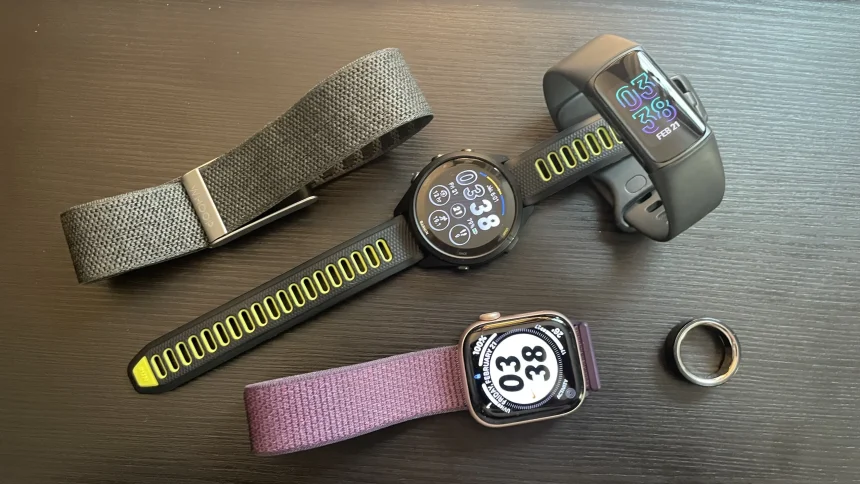
In today’s health-conscious world, a good fitness tracker has become an essential tool for monitoring daily activity, sleep, heart rate, and overall wellness. Whether you’re a casual walker, a dedicated athlete, or someone just starting their fitness journey, choosing the right device can make all the difference in reaching your goals.
This comprehensive fitness tracker comparison breaks down the top models of 2026, highlights key differences between fitness trackers and smartwatches, and provides practical advice on how to choose a fitness tracker. We’ll also include insights into a fitness tracker comparison chart to make your decision easier.
What Is a Fitness Tracker and Why Do You Need One?
A fitness tracker is a wearable device designed primarily to monitor physical activity, health metrics, and recovery. Modern trackers go far beyond simple step counting. They track heart rate, sleep stages, blood oxygen levels (SpO2), stress, calories burned, and even advanced metrics like VO2 max and training load.
Key benefits include:
- Motivation: Real-time feedback encourages you to move more and build consistent habits.
- Data-driven insights: Understand your sleep quality, recovery status, and workout effectiveness.
- Health monitoring: Detect irregularities in heart rhythm or track menstrual cycles.
- Long battery life: Unlike many smartwatches, dedicated trackers often last 7–14+ days on a single charge.
Popular form factors in 2026 include slim bands (e.g., Fitbit Charge series), full-featured watches (e.g., Garmin models), and discreet smart rings (e.g., Oura Ring 4).
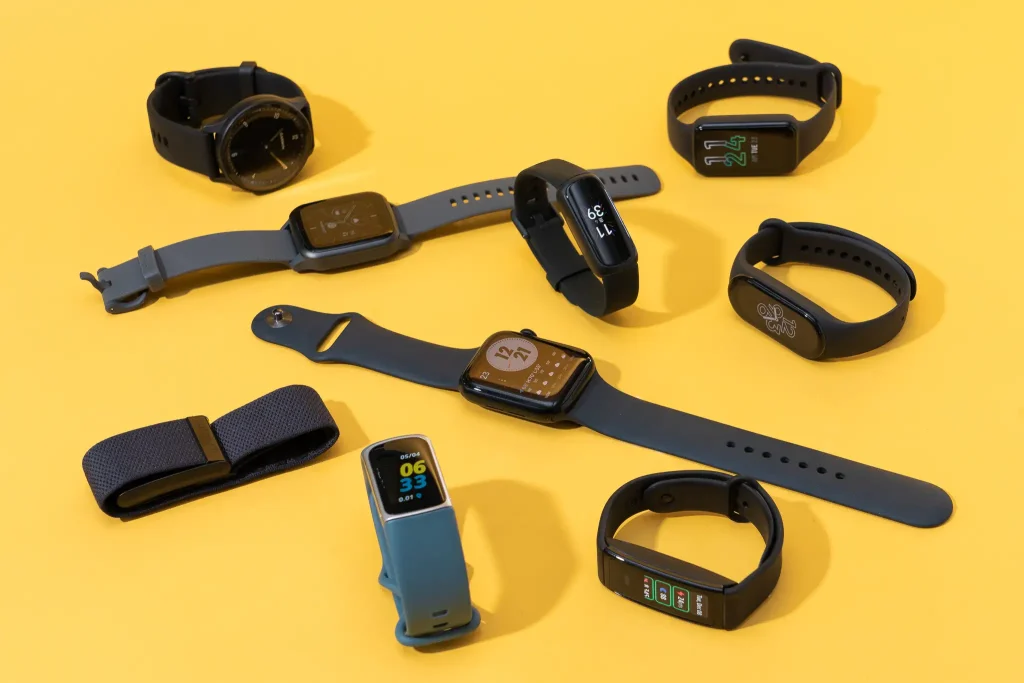
Fitness Tracker vs Fitness Watch: Key Differences
Many people use the terms fitness tracker and fitness watch interchangeably, but there are important distinctions:
- Fitness Tracker (Band-style): Slim, lightweight, and focused on core health metrics. Excellent battery life (often 7+ days), comfortable for 24/7 wear, and more affordable. Ideal for everyday activity tracking, sleep monitoring, and basic workouts. Examples: Fitbit Charge 6, Fitbit Inspire 3, Xiaomi Smart Band 10.
- Fitness Watch (Smartwatch-style): Larger screen, built-in GPS, advanced sports modes, and often more smart features (notifications, music control). Battery life is typically shorter (1–7 days). Better for serious athletes who need detailed workout mapping and multi-sport tracking. Examples: Garmin Venu 3 / Forerunner 970, Apple Watch Series 11.
Quick comparison:
- Battery life: Trackers win (longer duration, less frequent charging).
- Features: Watches offer more (GPS, maps, apps).
- Comfort & Price: Trackers are slimmer and usually cheaper.
- Accuracy: Both have improved dramatically, but watches often provide better GPS and multi-sport data.
If you want deep fitness insights without phone-like distractions, go for a dedicated tracker or sports watch. If you need calls, apps, and ecosystem integration, a full smartwatch might suit you better.
Top Fitness Trackers Comparison 2026
Here’s a detailed fitness tracker comparison of the leading models based on expert tests and reviews in 2026. We focus on accuracy, battery life, features, price, and best use cases.
| Model | Type | Battery Life | Key Features | Price Range (USD) | Best For | Drawbacks |
|---|---|---|---|---|---|---|
| Fitbit Charge 6 | Band | Up to 7 days | Heart rate, SpO2, ECG, sleep/stress scores, built-in GPS, YouTube Music | $130–$160 | Beginners, everyday tracking | Optional Premium subscription |
| Fitbit Inspire 3 | Band | Up to 10 days | Accurate steps, heart rate, sleep tracking, comfortable design | $80–$100 | Budget-friendly basics | Limited advanced metrics |
| Garmin Venu 3 | Watch | Up to 14 days | VO2 max, training load, HRV, AMOLED screen, built-in GPS, music | $400–$450 | Multi-sport athletes, detailed insights | Higher price |
| Garmin Forerunner 970 | Watch | Up to 16 days | Advanced running/cycling metrics, recovery advice, solar options | $700+ | Serious runners & endurance athletes | Steep learning curve |
| Apple Watch Series 11 | Smartwatch | 18–36 hours | ECG, sleep apnea detection, temperature, seamless iOS integration | $400–$800 | iPhone users wanting smart features | Short battery life |
| Oura Ring 4 | Ring | Up to 7 days | Excellent sleep & recovery tracking, discreet, women’s health insights | $300–$550 | Sleep-focused users, minimalists | No screen, subscription model |
| Whoop 5.0 | Band (screenless) | Up to 5 days | Strain, recovery, sleep coaching, AI insights | $200–$300 (membership) | Athletes focused on recovery | Subscription required, no display |
| Xiaomi Smart Band 10 | Band | 14+ days | AMOLED display, basics + SpO2, affordable | $40–$60 | Budget users | Less accurate advanced sensors |
Notes on the table:
- Prices are approximate and vary by region/retailer.
- Garmin models excel in sports-specific accuracy and no mandatory subscription for core features.
- Fitbit offers great value with Google integration but pushes its Premium service for deeper insights.
- Rings like Oura provide passive, comfortable tracking without a wrist display.
This fitness tracker comparison chart shows clear trade-offs: budget options prioritize battery and simplicity, while premium models deliver advanced analytics.

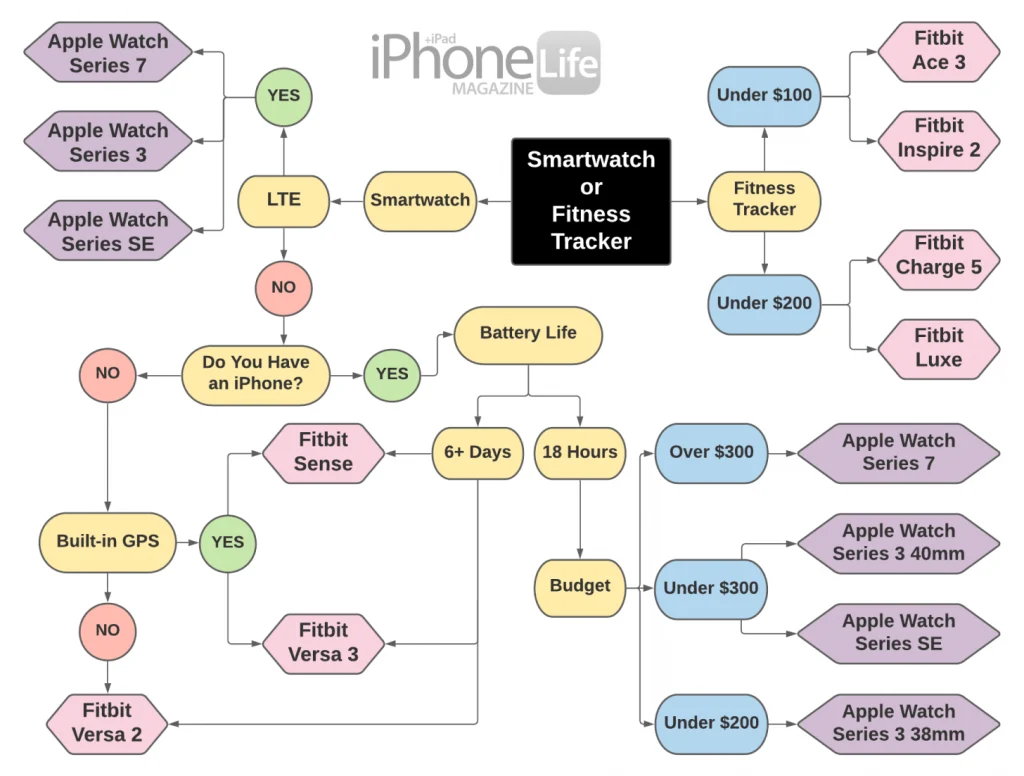
How to Choose a Fitness Tracker: Step-by-Step Buying Guide
Choosing the right device depends on your lifestyle, goals, and budget. Follow these steps for how to choose a fitness tracker:
Define Your Goals:
- Casual activity & steps? → Basic band like Fitbit Inspire 3 or Xiaomi Smart Band 10.
- Sleep and recovery focus? → Oura Ring 4 or Whoop 5.0.
- Running, cycling, or multi-sport? → Garmin Forerunner or Venu series.
- All-day smart features + fitness? → Apple Watch (iOS) or Samsung/Google equivalents.
Consider Battery Life & Comfort:
- Plan to charge every few days? Smartwatches are fine.
- Want set-it-and-forget-it wear? Choose a band or ring with 7–14+ day battery.
Check Compatibility:
- iPhone users: Apple Watch or cross-platform options like Fitbit/Garmin.
- Android users: Garmin, Fitbit, Samsung Galaxy Fit, or Google Pixel Watch.
Evaluate Key Features:
- Accuracy: Look for optical heart rate, built-in GPS (for outdoor runs without phone), SpO2, and HRV.
- Water Resistance: At least 50m (5ATM) for swimming/showering.
- App Experience: Intuitive dashboards, insights, and community features matter.
- Subscriptions: Some (Fitbit Premium, Whoop, Oura) unlock full data—factor in ongoing costs.
Budget:
- Under $100: Xiaomi or Inspire 3.
- $100–$300: Charge 6 or entry-level Garmin.
- $300+: Premium watches or rings.
Test for Fit & Accuracy:
- Read recent reviews for real-world accuracy (step counting, heart rate during workouts).
- Consider wrist size and band materials for all-day comfort.
Pro Tip: Accuracy has improved across all major brands in 2026, but Garmin often leads for sports metrics, while Fitbit and Apple shine in user-friendly health summaries.
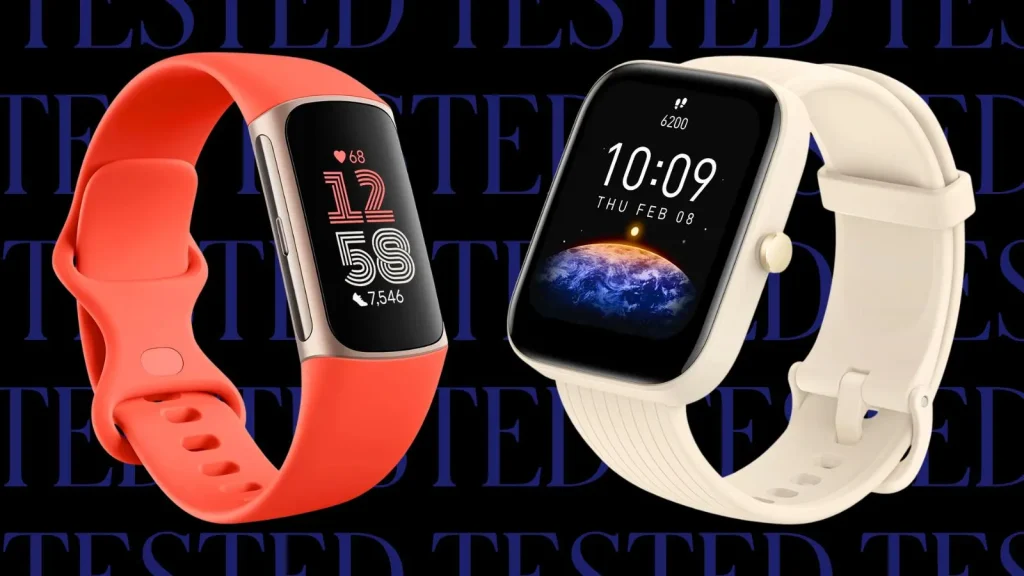
Fitness Tracker Comparison Chart: Quick Visual Reference
When comparing models side-by-side, focus on these categories:
- Daily Tracking: Steps, calories, active minutes.
- Health Metrics: Heart rate zones, SpO2, stress, temperature.
- Workout Support: Built-in GPS, sport modes, recovery scores.
- Smart Features: Notifications, music, payments.
- Battery & Price: Long life usually means fewer smart extras.
Use the table above as your starting fitness tracker comparison chart. For the most current prices and deals, check major retailers like Amazon, Best Buy, or official brand sites.
Final Recommendations
- Best Overall Fitness Tracker (2026): Fitbit Charge 6 — Balanced features, cross-platform support, and solid accuracy for most users.
- Best Value: Xiaomi Smart Band 10 — Incredible battery and features at a low price.
- Best for Athletes: Garmin Venu 3 or Forerunner 970 — Unmatched training insights.
- Best for Sleep/Recovery: Oura Ring 4.
- Best for iPhone Users: Apple Watch Series 11.
No single device is perfect for everyone. The right choice comes down to matching the tracker’s strengths to your personal needs and priorities.
Ready to take the next step toward better health? Compare current deals, read user reviews, and consider trying a device with a good return policy. A fitness tracker is an investment in your well-being—choose wisely and stay consistent with your data!
This guide is based on expert reviews and testing from 2026. Always verify the latest specifications and pricing before purchasing.