
Last Updated on 11/04/2026 by TinHN Editor
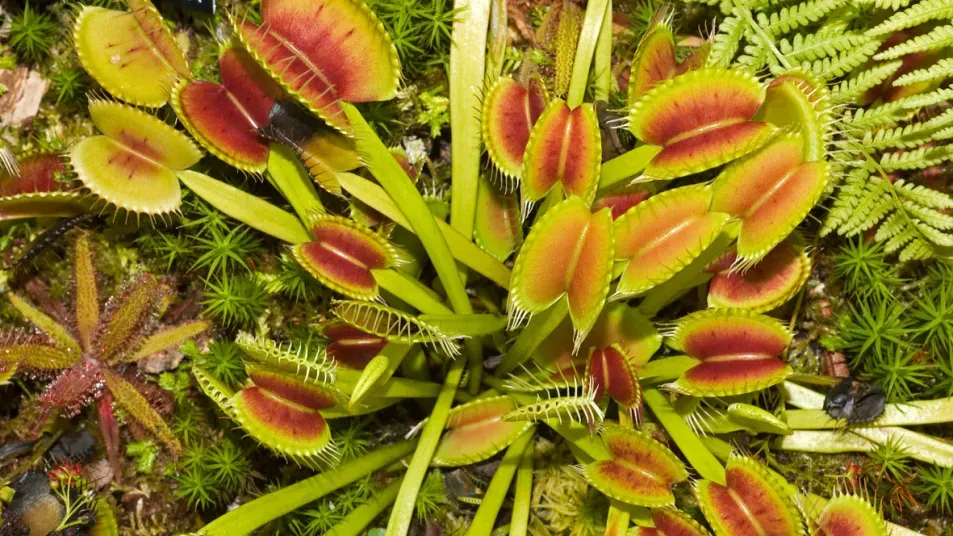
The Venus flytrap mechanism is one of the most fascinating examples of plant intelligence and rapid movement in the natural world. Known scientifically as Dionaea muscipula, this carnivorous plant captures prey using a lightning-fast snap trap powered by electrical signals, mechanical memory, and precise biochemical responses. In this in-depth guide, we explore every aspect of the Venus flytrap mechanism, including trigger hairs, action potentials, trap closure, digestion, and the latest scientific discoveries.

What Is a Venus Flytrap and Where Does It Come From?
The Venus flytrap is a carnivorous plant native to the subtropical wetlands of North and South Carolina, USA. It belongs to the Droseraceae family. The plant evolved its unique snap-trap mechanism to supplement nutrients (especially nitrogen and phosphorus) in acidic, nutrient-deficient soils where traditional root uptake is insufficient.
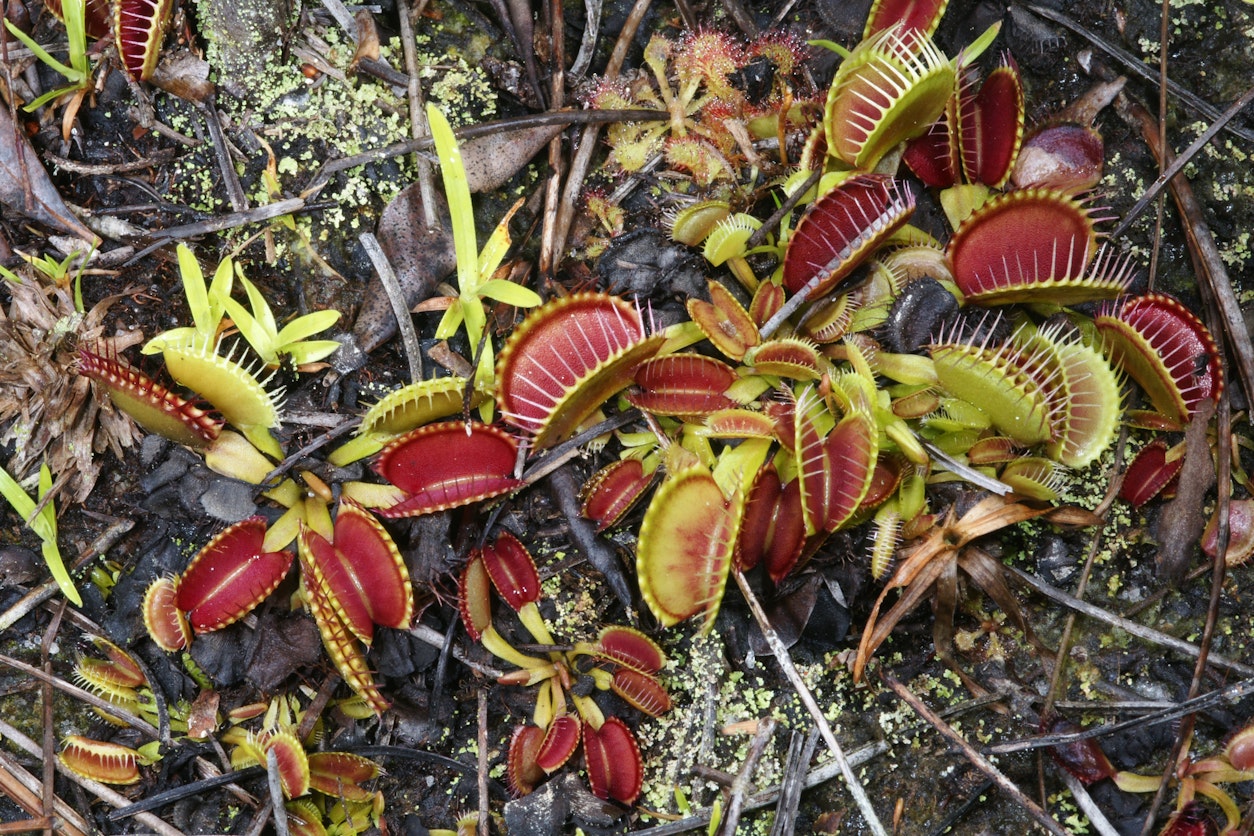
The name “Venus flytrap” comes from the trap’s resemblance to the shell of the goddess Venus in mythology. Each trap is actually a modified leaf consisting of two lobes joined by a midrib.
Structure of the Trap – Foundation of the Venus Flytrap Mechanism
The trap features:
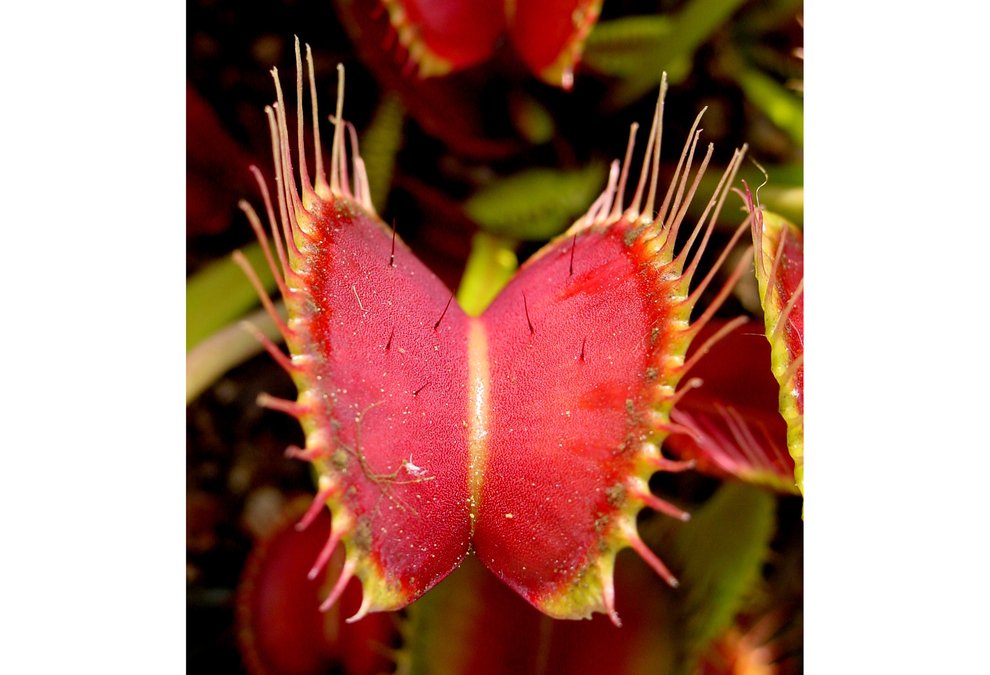
- Two kidney-shaped lobes.
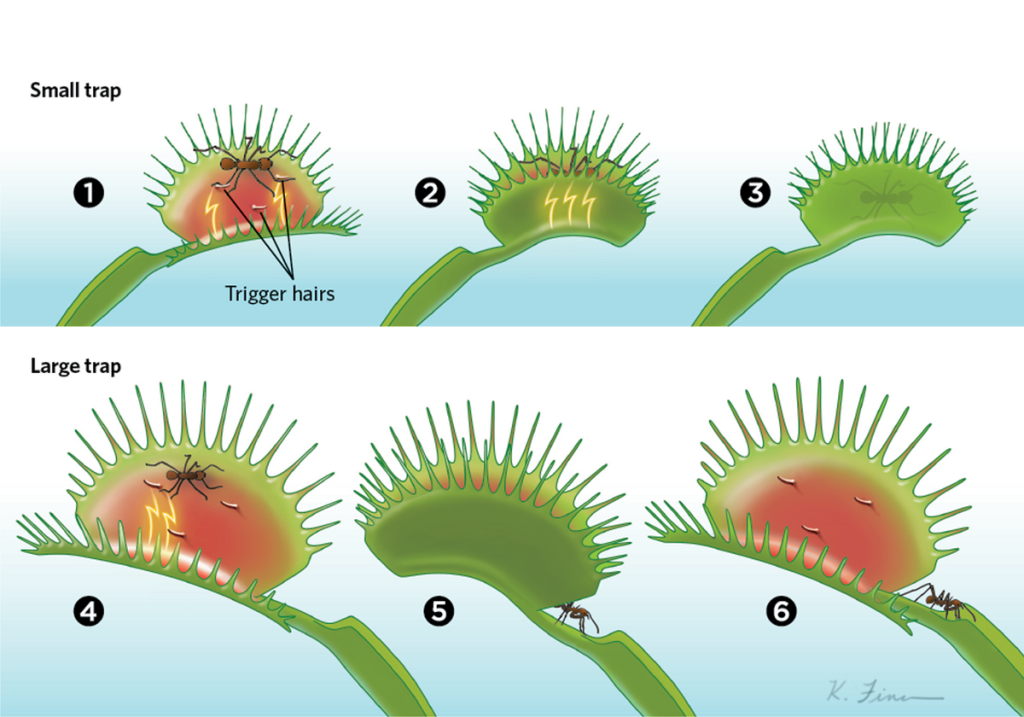
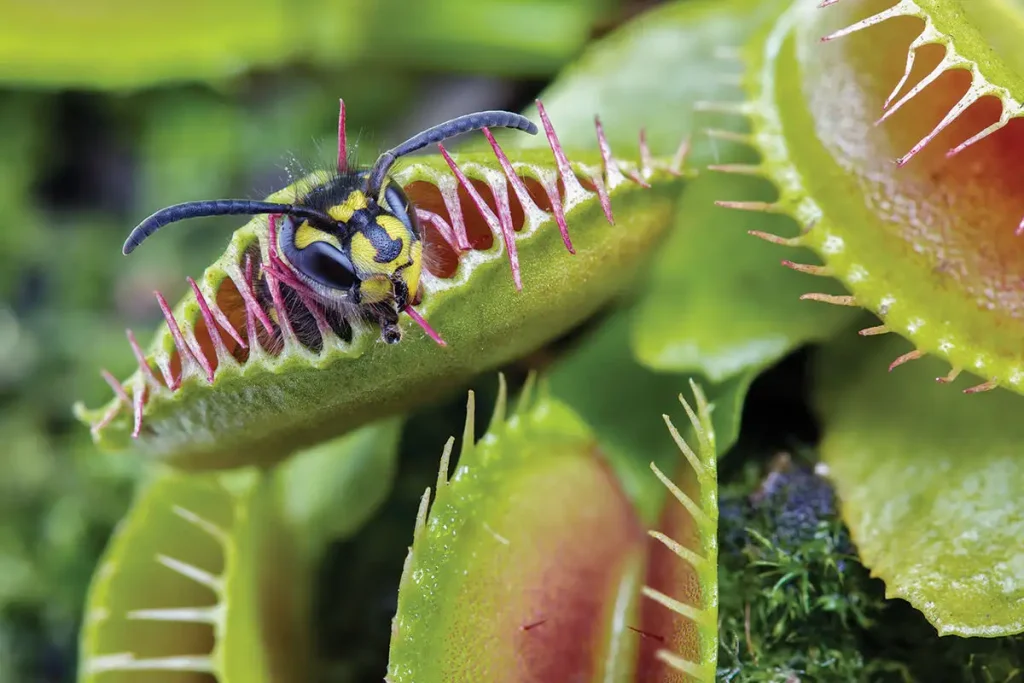
- 3–6 trigger hairs (usually 3 per lobe) on the inner surface.
- Interlocking “teeth” or cilia along the edges.
- Digestive glands on the inner surface.
When open, the lobes are slightly convex, storing elastic energy. The trigger hairs act as highly sensitive mechanosensors.
How the Venus Flytrap Mechanism Is Triggered: The “Two-Touch” Memory System
The Venus flytrap mechanism relies on electrical signaling similar to animal nerves, called action potentials (APs).
Step-by-step triggering:
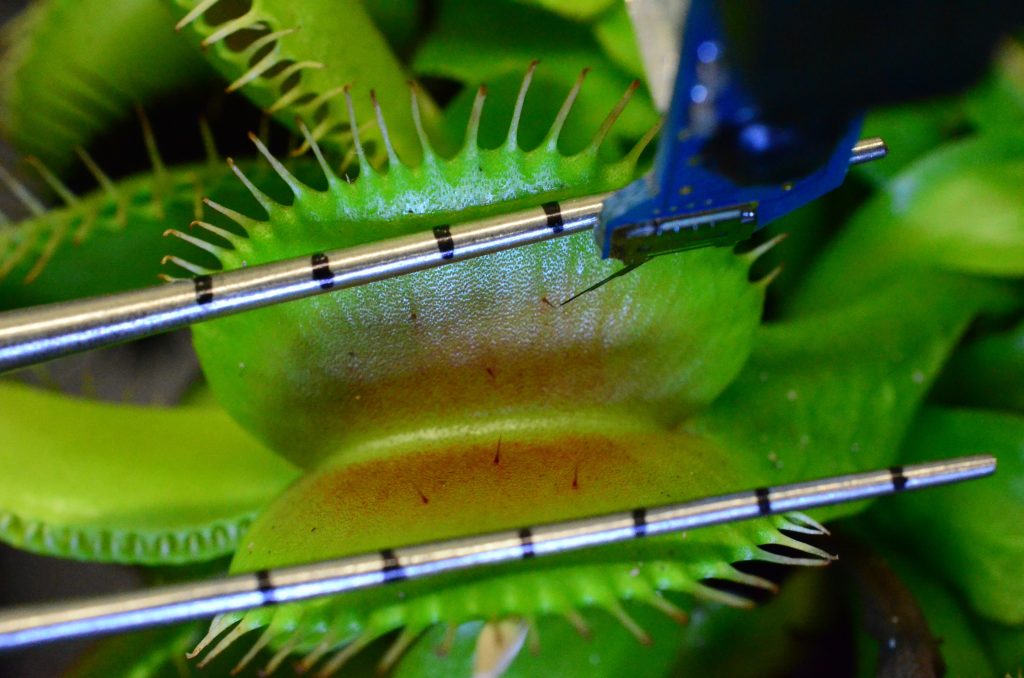
- An insect touches and bends one trigger hair → Mechanosensitive ion channels (including DmOSCA1.7 and DmMSL10) open → Calcium (Ca²⁺) influx creates a receptor potential.
- This generates the first action potential, which propagates across the trap lobes at speeds up to ~10 cm/s.
- The plant has a short-term “memory” of about 20–30 seconds. If a second action potential occurs within this window (from the same or another hair), the combined signal exceeds the threshold.
- The trap snaps shut in as little as 0.1–0.3 seconds.
This “counting” prevents false closures from raindrops or debris. Recent research highlights the role of the ion channel DmMSL10 at the base of the trigger hairs, which acts as a mechanical amplifier to boost weak signals into full action potentials.
The Physics of Trap Closure – Snap-Buckling and Turgor Pressure
Once two action potentials are registered:
- Ion movements (especially K⁺, Cl⁻, and Ca²⁺) cause rapid changes in cell turgor pressure.
- Cells on the outer surface expand while inner cells contract (or vice versa in some models), releasing stored elastic energy.
- The lobes flip from convex to concave in a snap-buckling instability, similar to a jumping popper toy.
This hydroelastic curvature mechanism allows the ultra-fast closure without relying solely on slow water movement. Full hydration of the trap is essential for successful snapping.
Digestion Process – How the Venus Flytrap “Counts” to Digest Prey
After closure, the struggling prey continues to stimulate the trigger hairs, generating additional action potentials. The plant uses this to “count” and decide the level of response:
- 2 stimuli: Jasmonic acid (JA) hormone production begins (the “touch hormone”).
- 3+ stimuli: Genes for digestive enzymes start to activate.
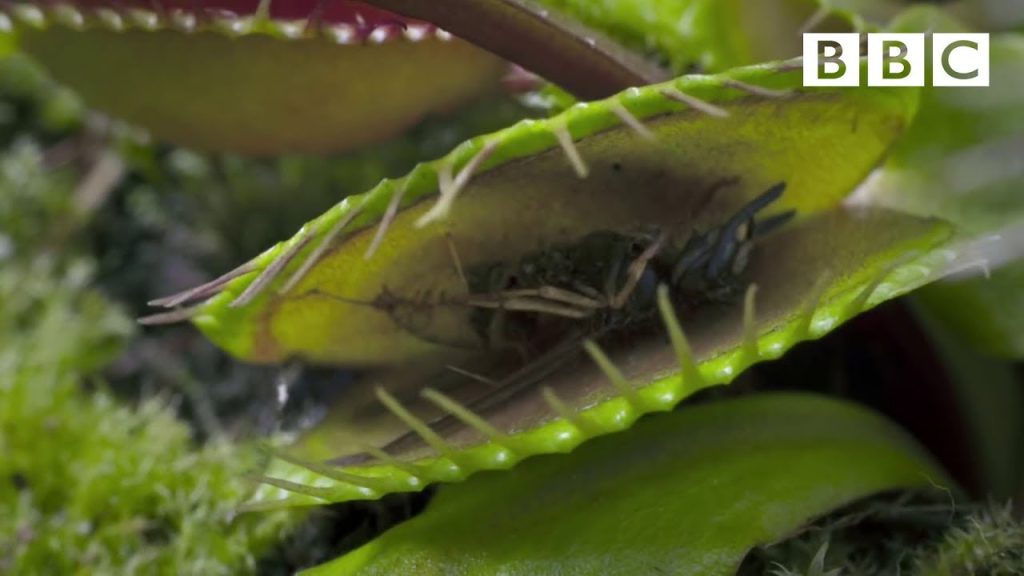
- 5+ stimuli: Full production of digestive enzymes (proteases, phosphatases, etc.) and nutrient transporters. The trap seals tightly into a “green stomach,” acidifies, and digests the prey over 5–12 days.
- Nutrients (especially nitrogen and sodium via channels like DmHKT1) are absorbed through the glands.
- The trap reopens once digestion is complete, ready for the next cycle. Each trap typically functions for only 3–4 successful captures before aging.
This counting behavior optimizes energy use – the plant avoids wasting resources on non-nutritious stimuli.
Latest Scientific Discoveries on the Venus Flytrap Mechanism
- DmMSL10 ion channel (2025 research): Acts as the primary mechanical sensor and amplifier at the base of trigger hairs, turning tiny touches into reliable electrical signals.
- Action potential similarities to animal nerves: Plants use calcium, anion, and potassium channels instead of sodium-heavy systems.
- Counting and jasmonate signaling: The number of action potentials directly controls hormone levels, enzyme production, and nutrient uptake genes.
- Biomagnetic fields: Action potentials in the trap can generate measurable magnetic fields.
- Traps can also respond to heat (above ~38°C) via the same trigger hair podium.
These findings come from studies published in journals such as Current Biology, Science Advances, and Nature communications.
Interesting Facts and Care Tips
- A single trap can close on prey up to three times its own weight.
- The plant primarily uses photosynthesis for energy; prey provides mineral nutrients.
- Basic care: Use distilled/rain water, sphagnum moss + perlite soil, bright indirect light or full sun, no fertilizer, and minimal manual feeding.
Conclusion
The Venus flytrap mechanism showcases an elegant combination of mechanosensation, electrical signaling, biomechanical snapping, and biochemical counting. From the ultra-sensitive trigger hairs and action potentials to the precise digestion control, Dionaea muscipula demonstrates that plants are far more dynamic and “intelligent” than they appear. Understanding this mechanism not only deepens our appreciation of evolutionary biology but also inspires biomimetic technologies in robotics and sensors.
Have you ever seen a Venus flytrap in action? Share your experiences or questions in the comments below!
References & Sources (for further reading):
- Hedrich et al. studies on jasmonate signaling and counting (Current Biology).
- Research on DmMSL10 and mechanosensitive channels (2025 publications).
- Volkov et al. on hydroelastic curvature and electrical circuits.
- Scientific reviews from The Scientist, Science Advances, and PMC articles on action potentials and ion channels.
This comprehensive guide is based on peer-reviewed scientific literature to provide accurate, up-to-date information on the Venus flytrap mechanism.